
New engine- Blowby [ft3/min] = rated power [hp]/120
Worn engine- Blowby [ft3/min] = rated power [hp]/40
so at as stock 170hp you could have 1.41cfm new and 4.25cfm worn blowby.
At a turbocharged 300hp it could be 2.5-7.5cfm. This sounds like A LOT but a 300hp engine is about 208cfm so you are at only 4% blowby even if it is worn bad.
A little airbrush compressor for painting tshirts is usually around 1cfm, so just imagine having 7 tshirt airbrushers shooting oily vapor somewhere under your hood. You want it to go to the right place and not to an aesthetic oily sunset and palm tree that says 'terry and jerry' under your hood, right?
On my old turbo e30 I just capped the throttle body line and ran a new line from the valve cover into the lid of a Gatorade bottle. Then I ran a 2nd line from said bottle over to the intake in front of the turbo. Worked like a charm and kept the blowby from shooting the dipstick out and 7 airbrush t-shirters from spraying oil onto the hood and everything. Didnt notice oil in the intercooler or turbo since the top quality Gatorade bottle was catching it all.
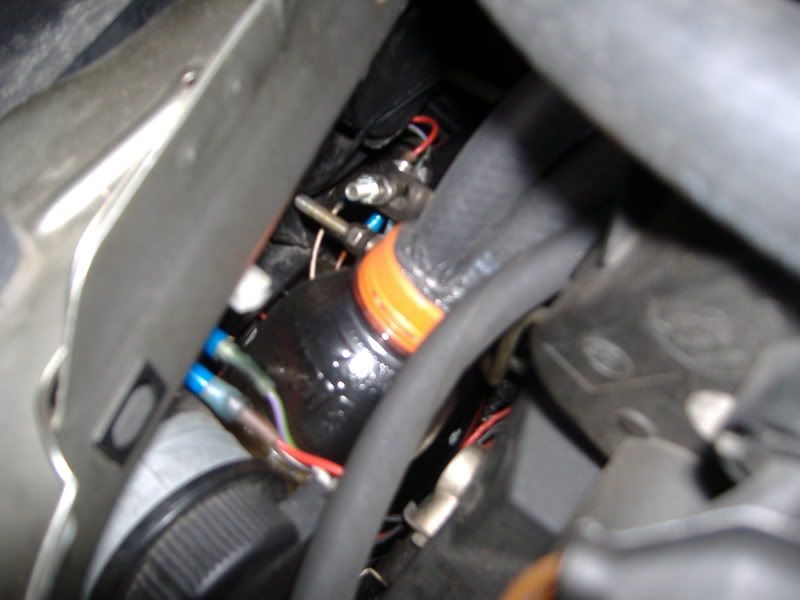
I did have to rtv and ziptie some of the throttle body vac fittings on because they would blow out under boost. 12psi will push a lot of things apart on the pressure side. I dont remember if this was the fuel canister breather thing or not, but there were a lot of little hoses that needed vac and had what looked like valves on them that I did have to RTV and zip tie on because they were too small for metal clamps.
Look at how most turbo cars are from the factory with their pcv systems. My old benz is a tube that goes from the valve cover to to air filter box in front of the turbo. No catch can or anything. It is not as big a deal as most people make of it, but the oil does collect in the bottom of the air filter box and is wiped out when you change the filter. Neat 1983, you smart.
If your catch can setup is not stout enough you will pull oily vapor into the turbo and boost pipes and they will get all nasty, and maybe shoot oil onto the turbo itself. Don't do that, but do something.


Leave a comment: