S50B32 Clone

Collapse
X
 
  • Time
  • Show
Clear All
new posts

  • digger
    replied
    Originally posted by ForcedFirebird

    Sure, but if the m52 block is thicker, might as well start there. After that block cracked on me, I am now leery about boring the m50 .100". I'd rather play it safe and not worry about the <200cc (84.5mm-87mm is 181cc difference). Use the effort for head work instead IMO.
    Not sure what's available in Turkey but M52 may be alloy like here and he wont have S50/52 US unless they are same as m52 iron

    Leave a comment:


  • esoes06
    replied
    Originally posted by ForcedFirebird
    Just went to the engine room and took some quick measurements. Measured several through the water jacket with a caliper, this is not a sonic test.

    s50us 86mm bore 6.6mm avg wall thickness.
    m50nv 84mm bore 6.7mm avg wall thickness
    m52 84mm bore 7.4mm avg

    Don't have an s52, and didn't check an m50tu

    Cylinder that cracked is 5.8mm on that wall.
    M52b28 block I'm going to try the 86mm piston. Sleeves

    Leave a comment:


  • esoes06
    replied
    Originally posted by ForcedFirebird
    Has nothing to do with fuel. The piston to head clearance is to compensate for rod stretch at high RPM, and to accelerate the fuel mixture towards the spark plug.

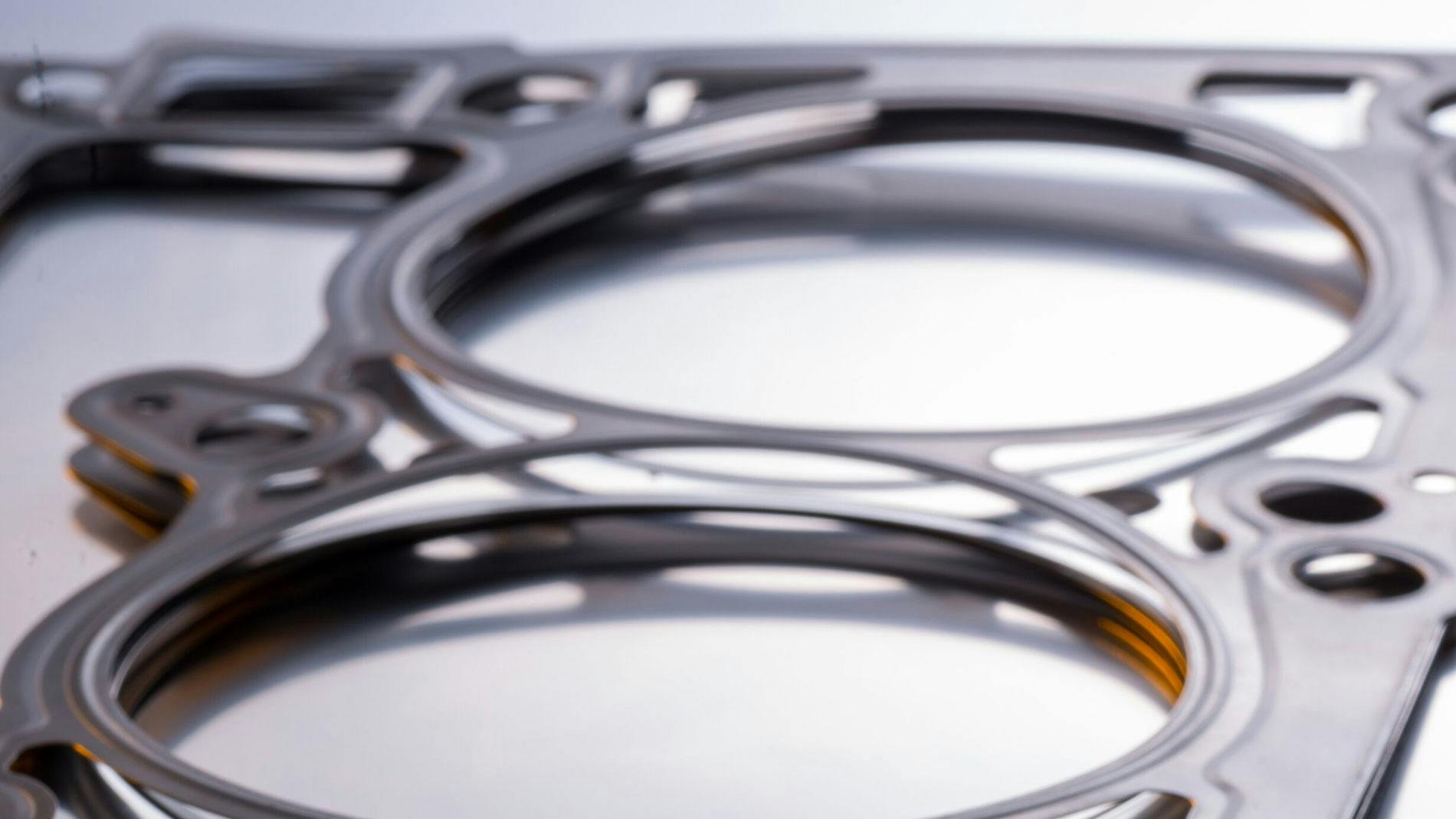

    Quench is the clearance between the piston and cylinder head at TDC. It can affect engine effeciency and performance, if you truly understand it.


    I don't agree with you. It is directly related to the fuel. High compression engine = high octane fuel.

    Leave a comment:


  • ForcedFirebird
    replied
    Originally posted by digger
    RB26 guys make >1000hp with around 4-5mm wall thickness so it’s plenty unless you get a rare dud or something goes wrong with the “tune” . MM do 87mm on the m20 turd

    the engine needs more camshaft
    Sure, but if the m52 block is thicker, might as well start there. After that block cracked on me, I am now leery about boring the m50 .100". I'd rather play it safe and not worry about the <200cc (84.5mm-87mm is 181cc difference). Use the effort for head work instead IMO.

    Leave a comment:


  • digger
    replied
    RB26 guys make >1000hp with around 4-5mm wall thickness so it’s plenty unless you get a rare dud or something goes wrong with the “tune” . MM do 87mm on the m20 turd

    the engine needs more camshaft

    Leave a comment:


  • ForcedFirebird
    replied
    Originally posted by TobyB

    unless the bottom end lets it all leak out before it gets to the crank!

    heh.

    t
    if one part doesn't do its ting, de whole ting doesn't do its ting.
    It would have to be pretty bad...like maybe a hole in the piston, or lacking rings??? lol.

    I had a car here at work a few years ago (EDIT: EIGHT + YEARS ALREADY WOW!!!). Compression was at 145psi, 200k mile 2.5 bottom end, dyno'd at 145whp. Refreshed the head, +1mm valves, 272 cam, a little bowl/seat work on the machine, added ITB's with headers, dual 2" exhaust with x-pipe at 3m and that same crank case put down 170whp. Then I added a 2.8 bottom end and it went to 217whp. Long version here: https://www.r3vlimited.com/board/for...-rotating-assy
    Last edited by ForcedFirebird; 11-16-2022, 03:19 PM.

    Leave a comment:


  • TobyB
    replied
    All the power comes from the head.
    unless the bottom end lets it all leak out before it gets to the crank!

    heh.

    t
    if one part doesn't do its ting, de whole ting doesn't do its ting.

    Leave a comment:


  • ForcedFirebird
    replied
    To add, if your pistons are 1.2mm below the block deck, then you apply the 1.7mm head gasket, your pistons will theoretically be 2.9mm from the head surface.

    When building engines, I aim for .95mm.

    To test, put used head gasket, torque with used head bolts, attach cam drive, rotate engine, remove head, measure clay/solder.

    For example, when building "budget" m20 2.7l, I use 81mm crank, 135mm rods, stock m20b25 pistons, then shave the block 2mm to get the compression height back.

    I suggest your pistons be higher (or block deck lower).

    Leave a comment:


  • ForcedFirebird
    replied
    Has nothing to do with fuel. The piston to head clearance is to compensate for rod stretch at high RPM, and to accelerate the fuel mixture towards the spark plug.


    Quench is the clearance between the piston and cylinder head at TDC. It can affect engine effeciency and performance, if you truly understand it.


    Leave a comment:


  • esoes06
    replied
    Originally posted by ForcedFirebird
    I've been building baby six engines for almost 20 years, and domestic engines since 1994.

    The bottom end is the "dumb" part of the engine as a whole. As long as your piston dome shape compliments the design of the combustion chamber, the only significant variable is compression.

    That being said, m54 crank, and rods, even, custom pistons to match total compression height, and static compression to match the cam profile, you can make a lot of power by simple valve job tricks.

    All the power comes from the head.
    I did the compression calculation. With 95 octane fuel, a clearance of 1.2mm is ideal.

    Leave a comment:


  • esoes06
    replied
    Originally posted by ForcedFirebird
    Apologies. I read back my comments. I used s52 rotating assembly in m50 block. Previous post says "s50" but was intending to be s52 bore. If you want big power, I suggest keeping the bore as minimal as possible. You get more tq from the stroke, the bore adds minimal end result, compression is far more important.

    1.2mm is a little tall for head to piston clearance. 1mm is adequate, and the squish will push gasses to the spark plug. The 400 head casting flows very well, there are early ones with less water jackets. If the m50/2 heads crack, it will be between an exhaust valve and water jacket. Some heads have 3 holes around every head bolt, some have 2.

    m50nv heads have 7mm valve stems. They are good for turbo, not as much for port flow. Early m50tu valve retainers like the break,use s52 stuff.


    I calculated and the result is 1.2mm. Because the use of 95 octane fuel

    Leave a comment:


  • ForcedFirebird
    replied
    I've been building baby six engines for almost 20 years, and domestic engines since 1994.

    The bottom end is the "dumb" part of the engine as a whole. As long as your piston dome shape compliments the design of the combustion chamber, the only significant variable is compression.

    That being said, m54 crank, and rods, even, custom pistons to match total compression height, and static compression to match the cam profile, you can make a lot of power by simple valve job tricks.

    All the power comes from the head.

    Leave a comment:


  • ForcedFirebird
    replied
    Apologies. I read back my comments. I used s52 rotating assembly in m50 block. Previous post says "s50" but was intending to be s52 bore. If you want big power, I suggest keeping the bore as minimal as possible. You get more tq from the stroke, the bore adds minimal end result, compression is far more important.

    1.2mm is a little tall for head to piston clearance. 1mm is adequate, and the squish will push gasses to the spark plug. The 400 head casting flows very well, there are early ones with less water jackets. If the m50/2 heads crack, it will be between an exhaust valve and water jacket. Some heads have 3 holes around every head bolt, some have 2.

    m50nv heads have 7mm valve stems. They are good for turbo, not as much for port flow. Early m50tu valve retainers like the break,use s52 stuff.


    Leave a comment:


  • esoes06
    replied
    Originally posted by ForcedFirebird
    Just went to the engine room and took some quick measurements. Measured several through the water jacket with a caliper, this is not a sonic test.

    s50us 86mm bore 6.6mm avg wall thickness.
    m50nv 84mm bore 6.7mm avg wall thickness
    m52 84mm bore 7.4mm avg

    Don't have an s52, and didn't check an m50tu

    Cylinder that cracked is 5.8mm on that wall.
    M52b28 block sleeves change and 85.50mm pistons now good work. No problem. M52b28 7.4 mm its good news

    Leave a comment:


  • esoes06
    replied
    Thanks for the comments and opinions. I think I need to elaborate a little more.
    M50 nv block 210.7mm
    M54b30 crankshaft 89.6mm stroke
    140mm rods
    87mm piston and compressor height 24.7mm (bore maybe 86.50mm or 86.75mm)
    I calculated
    44.8 + 140 + 24.7 = 209.5mm
    210.7-209.5 = 1.2mm
    The 1.2mm gap is ideal.
    Nv cylinder head valves are large and double spring.
    And port polish
    Exhaust system custom
    80mm throttle and cold air intake kit
    275cc injectors
    M54b30 47.7 intake camshaft and m50nv intake camshaft Exhaust
    Ms41 tuned
    Fan clutch delete
    Lightweight flywheel
    Difference from S50b32 itb and camshafts and crankshaft
    But rods 1mm longer
    Pistons are slightly larger
    OK crankshaft stroke 1.4mm short
    Handicaps are balanced
    I have already built an M52b28
    M54b25 pistons and 140mm rods
    Crankshaft M52b28 i.e. 84mm stroke
    47.7 camshaft and m50nv camshaft
    M50b25 intake manifold 80mm throttle
    Ms41 tuned and vanos tuned
    The Dyno test results are amazing. 245hp
    Now it's the 89.6mm crankshaft and the 87mm pistons. I think the dyno test results will be +300hp.

    Leave a comment:

Working...