731 head for NA eta?

Collapse
X
 
  • Time
  • Show
Clear All
new posts

  • jeffnhiscars
    replied
    Originally posted by digger
    with some common sense and research you can fix the short side without a flow bench it doesnt take much material removal to stop it stalling
    this is exactly the encouragement I need lol

    Thanks Digger.

    Leave a comment:


  • digger
    replied
    with some common sense and research you can fix the short side without a flow bench it doesnt take much material removal to stop it stalling

    Leave a comment:


  • jeffnhiscars
    replied
    There's a very pronounced lip on the short side on at least 2 cylinders but I'd need to get a mirror to take a pic of it. I'm sure you know the spot I'm referring to. There looks to be enough room to unshroud the valves and I agree that in the end a flow bench is a must.

    I may do some of the light stuff then take it to someone like Kormans to fine tune it on the flow bench. they are an hour from here

    Would I use the b27 HG ?

    Leave a comment:


  • Hooffenstein HD
    replied
    The exhaust ports are much worse than the inlets for requiring clean up but yeah, that rough area behind the valve guide is what I was referring to when I said there's some clean up you can do yourself.

    I think you can do the 42mm valves but you also need to unshroud them to make it worthwhile and blend the seats in.

    More gains will be had by laying over the short side radius but without flow bench and proper tools I wouldn't attempt it.
    Last edited by Hooffenstein HD; 09-27-2015, 04:25 PM.

    Leave a comment:


  • jeffnhiscars
    replied
    Id appreciate some input as to whether I can put in larger valves without changing the seats.

    Leave a comment:


  • jeffnhiscars
    replied
    I broke down my 731 today and was surprised to find the exhaust valves were only 34mm. It's listed at 36 in some of the material I've read. Clearly not the case
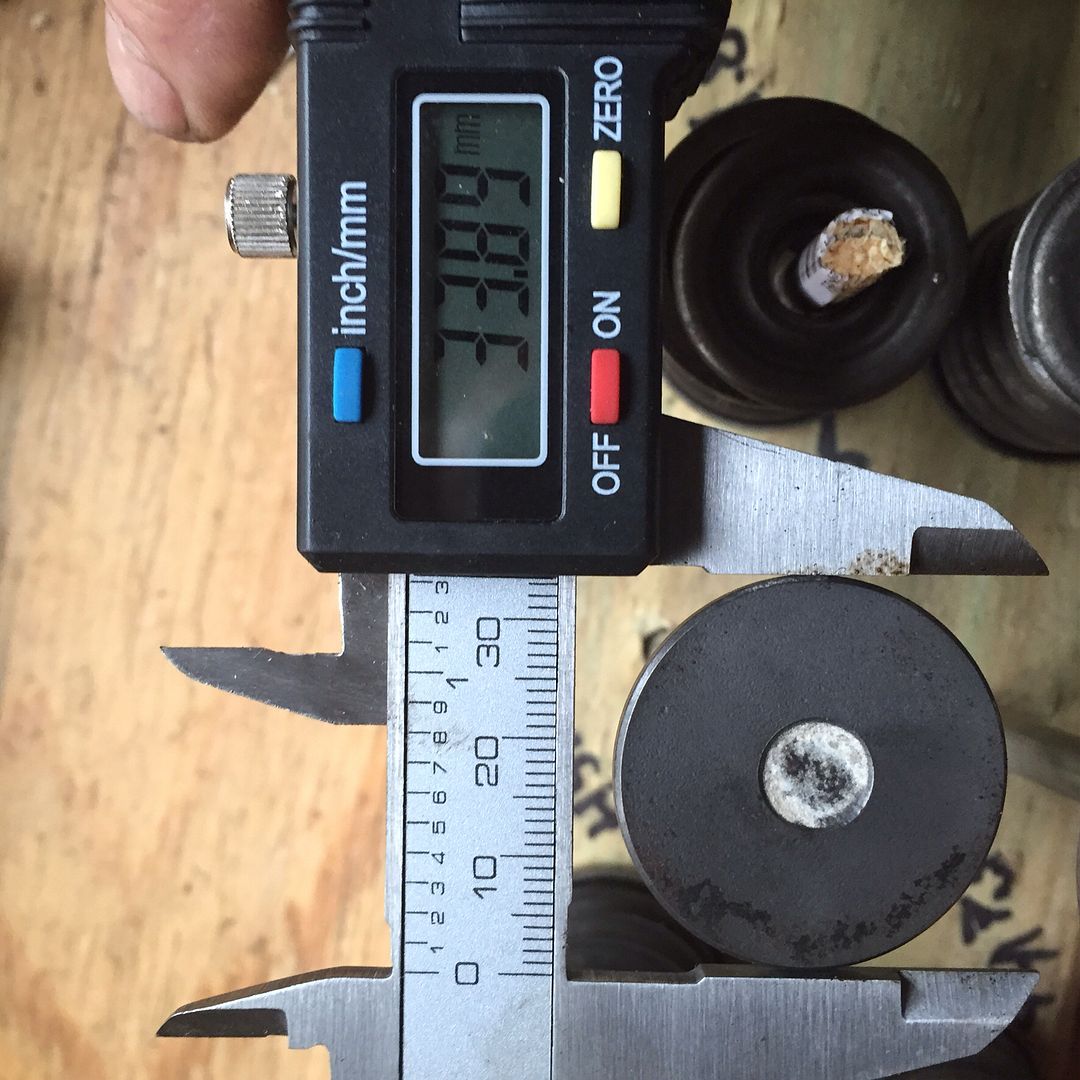


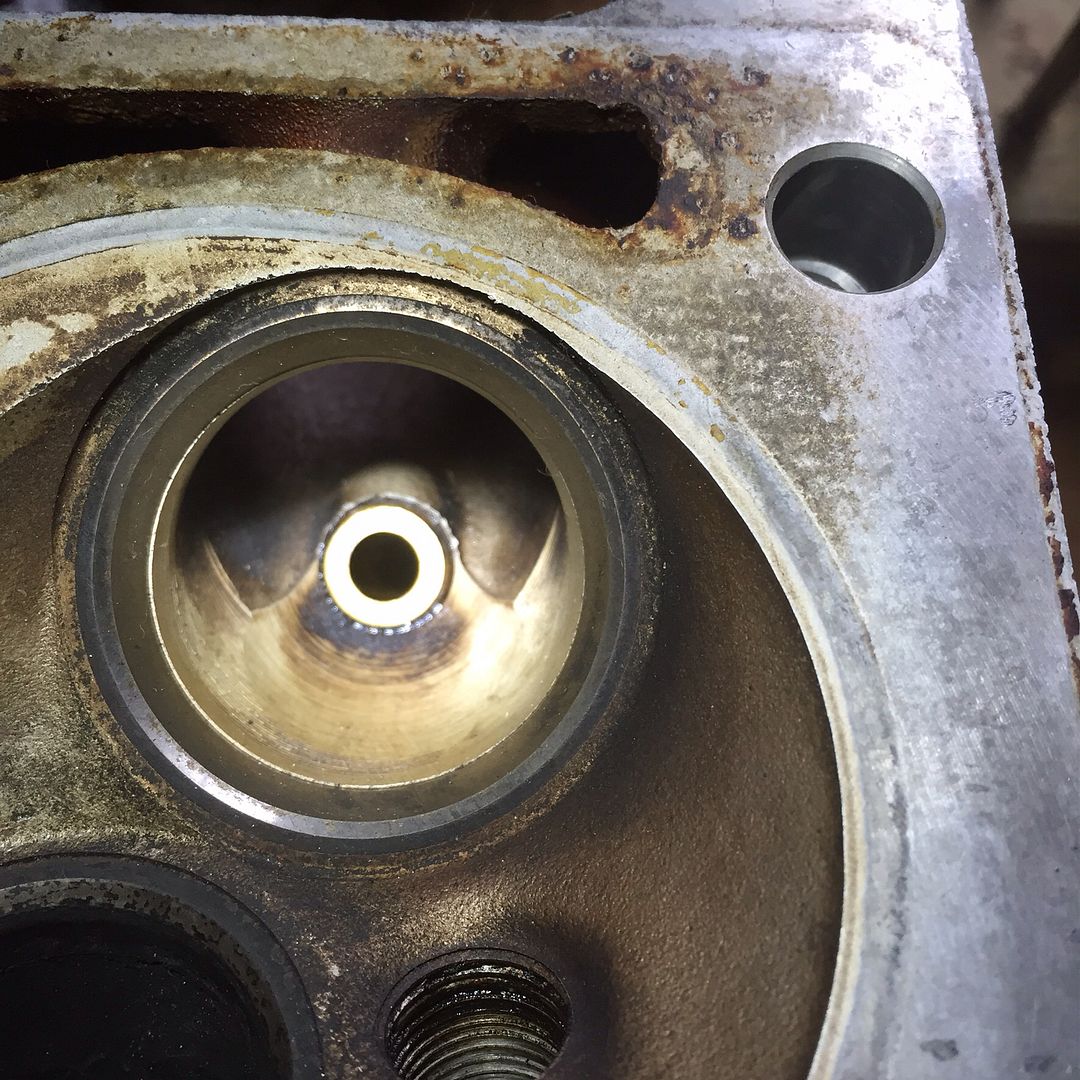
    it looks to even my untrained eye that there is room for a quite a bit of cleanup in the ports. Sure doesn't look like the one Rama did.
    Leave a comment:


  • jeffnhiscars
    replied
    I've been quiet here after the seller of the 731 went dark as soon as unpaid him (funny how that works). The good news is that the head did arrive and aside from a couple of bent studs it looks to be in fine shape
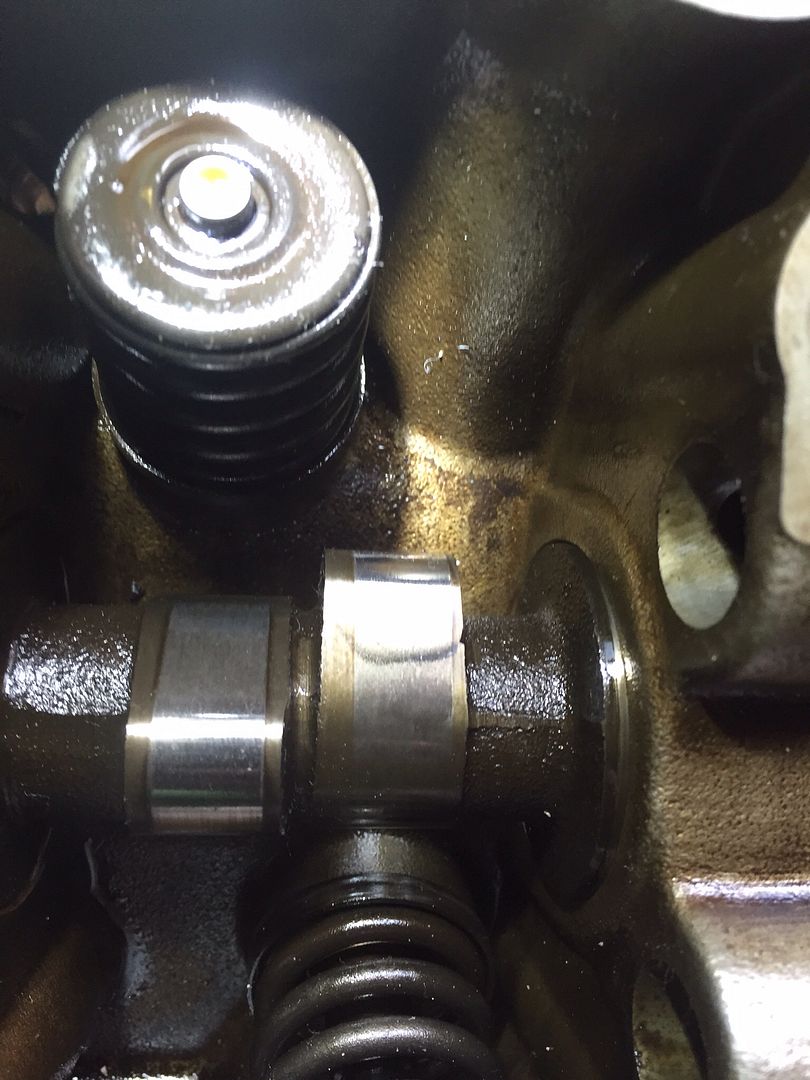


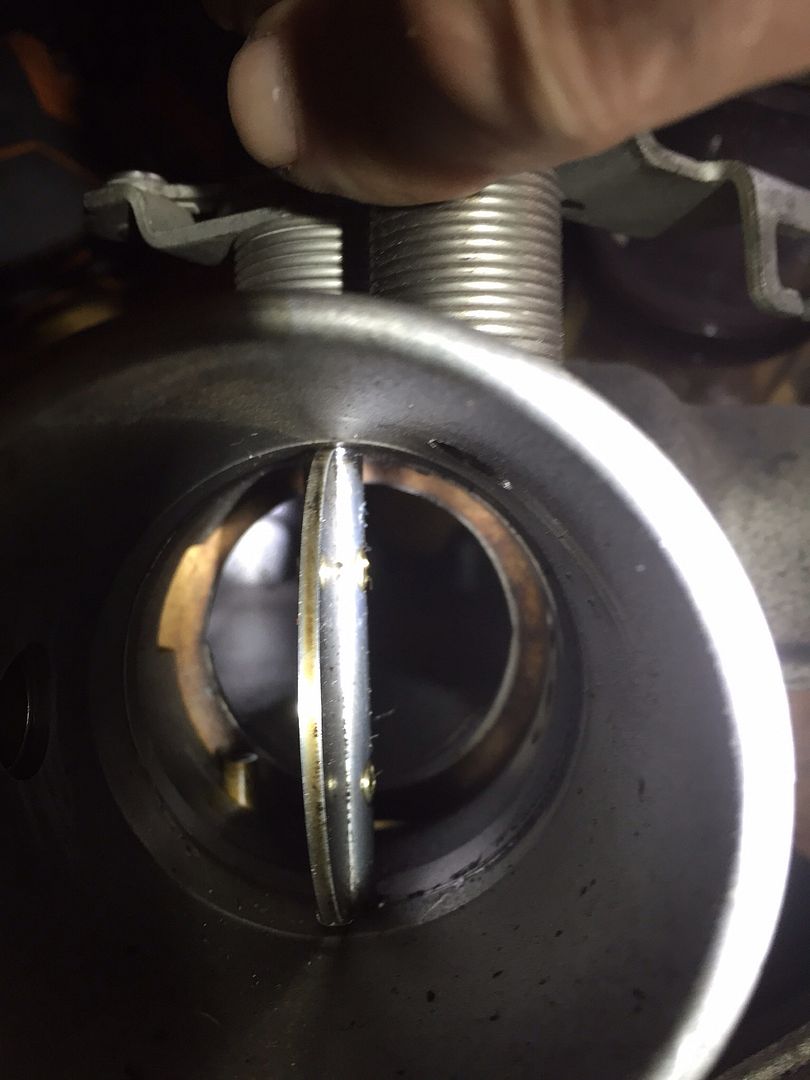
    The rockers slid out nicely and there's enough meat on the valves that I'd say the head has never been worked on. In light of mad hatters comment about the 885 TB on the 731 intake here's a pic of t
    The difference. It's 8mm total and the only place there isn't 4 to remove is at the very bottom. I'm guessing that's a 95%+ match which, given what a hybrid this thing will be, would seem to be close enough. This is especially true given that I may keep the rest of the stock ETA externals til I can acquire all the b25 parts.
    Leave a comment:


  • jeffnhiscars
    replied
    the machine shop I work with was where the local BMW dealer (owned by Rick Hendrick) sent all their heads til they started just replacing them so he will do guides, seats, faces, decking, enlarge valves etc...basically all the machining.

    The porting I'll have to think about. If it's just a bit of clean up I'd much rather buy the tools and do it myself since I have no idea who to trust or if they really know an M20'from a big block (remember I'm in nascar country)

    What I'm hearing though is that a 731 with 885 valves and TB Just begs for an 885 intake.

    Originally posted by Hooffenstein HD
    You throw the 731 manifold in the aluminium scrap bin and pick up an 885 manifold.

    I have a 2.7i with 731. At first I installed it with 731 manifold ground out as much as possible for an 885 throttle body but it always felt like it was strangled the higher the revs climbed. Swapped to 885 manifold and it pulls clean through the rev range. Still feels a little choked above 5,500RPM but I guess that's normal for a stock M20 head especially with the smaller 731 valves and stock cam.
    Originally posted by digger
    i don't port my own heads, but did play around years ago and toy with the idea of building a flow bench but time and space limitations quashed that. if you mean cutting bits carbide burrs will do a whole head easily. i have a set of different shaped burrs that i used for grinding the odd manifold and other bits and pieces.

    if you only have 1 head id be hesitant in doing it yourself as if your screw it up well its screwed and i dont like your chances of finding any scrapped 731 to practice on. most of the gains come from the seats and areas within an inch from there so without a means to cut different seats, valve profiles and measure a positive change in airflow you may not accomplish what you set out to.
    Originally posted by Hooffenstein HD
    I'd have to agree. About the most I'd do on my own is clean up/smooth out the rough machined area directly behind the valve guide. Not sure that it would actually achieve much but it looks nicer.

    Leave a comment:


  • Hooffenstein HD
    replied
    Originally posted by digger
    if you only have 1 head id be hesitant in doing it yourself as if your screw it up well its screwed and i dont like your chances of finding any scrapped 731 to practice on
    I'd have to agree. About the most I'd do on my own is clean up/smooth out the rough machined area directly behind the valve guide. Not sure that it would actually achieve much but it looks nicer.

    Leave a comment:


  • digger
    replied
    Originally posted by jeffnhiscars
    I used to build wooden boats so have a pretty good eye for contours. I've looked at bits and seems there are lots of options. Any recommendations for the basics and how many would you likely go through on a job like this ?
    i don't port my own heads, but did play around years ago and toy with the idea of building a flow bench but time and space limitations quashed that. if you mean cutting bits carbide burrs will do a whole head easily. i have a set of different shaped burrs that i used for grinding the odd manifold and other bits and pieces.

    if you only have 1 head id be hesitant in doing it yourself as if your screw it up well its screwed and i dont like your chances of finding any scrapped 731 to practice on. most of the gains come from the seats and areas within an inch from there so without a means to cut different seats, valve profiles and measure a positive change in airflow you may not accomplish what you set out to.

    Leave a comment:


  • Hooffenstein HD
    replied
    Originally posted by jeffnhiscars
    I was intending to use a b25 throttle body and afm but based on this comment the gain is limited without going to an 885 head or would you just bore the 323 intake as much as possible (leaving a step I assume) and call it a day ?
    You throw the 731 manifold in the aluminium scrap bin and pick up an 885 manifold.

    I have a 2.7i with 731. At first I installed it with 731 manifold ground out as much as possible for an 885 throttle body but it always felt like it was strangled the higher the revs climbed. Swapped to 885 manifold and it pulls clean through the rev range. Still feels a little choked above 5,500RPM but I guess that's normal for a stock M20 head especially with the smaller 731 valves and stock cam.
    Last edited by Hooffenstein HD; 09-08-2015, 03:41 PM.

    Leave a comment:


  • jeffnhiscars
    replied
    Originally posted by digger
    google laying back short side radius or look for books on porting. either electric or air die grinder dont waste time with a dremel and similar toys. you can measure each runner with varius tools to see if they are the same, use templates etc some areas you can judge by look and feel
    I used to build wooden boats so have a pretty good eye for contours. I've looked at bits and seems there are lots of options. Any recommendations for the basics and how many would you likely go through on a job like this ?

    Leave a comment:


  • digger
    replied
    Originally posted by jeffnhiscars
    I was intending to use a b25 throttle body (which I bought) and afm (that I dont yet have..hint hint) but based on this comment the gain is limited without going to an 885 head or would you just bore the 323 intake as much as possible (leaving a step I assume) and call it a day ?


    Im onboard for bigger valves and I like "subtle". Do you have something that illustrates "reprofiling the short side" ?

    I take it this is all done by hand with a die grinder (my CNC is out for repairs too). Do you keep the cylinders the same by eye ?
    google laying back short side radius or look for books on porting. either electric or air die grinder dont waste time with a dremel and similar toys. you can measure each runner with varius tools to see if they are the same, use templates etc some areas you can judge by look and feel

    Leave a comment:


  • nando
    replied
    Originally posted by whodwho
    Sorry, I thought it was posted in reference to - "Nando is correct. 885 inlet is port matched to a 731 head straight from BMW."

    Still thinking that there will be a step, especially beside the injector notch where the 885 is squared off. I had a 731 head that someone "port matched" to an 885 manifold and it was hogged out a quite a bit. I would run the 323 manifold, looks like it may have a touch shorter runner and may shift your power band up slightly and not have to worry about the port shape or alter a nice head.
    they probably gasket matched it. the gasket is a lot bigger than the port on the manifold, so that would explain why they would have to hog it out.

    Leave a comment:


  • 2mAn
    replied
    On the subject of the intake manifolds, I believe Forcedfirebird did a whole bunch of dyno runs comparing the different manifolds. Might want to search for that

    Leave a comment:

Working...