
not really different from any other BMW, new or old
E46 had it's own issues - sub frame failures, faulty tail light wiring, typical cooling system issues, vanos problems, window regulators.
-
All cars are measured the same way, its just statistics. Technically, the japanese and american brands have more issues in that time frame. I mean, if i had a new car and it broke down within the first month I'd definitely question its reliability...Leave a comment:
-
-
Leave a comment:
-
I don't know...I have 3 German vehicles; two which are almost 50 years old. The two older ones drove on their mainly original parts down to the rubber bushings for over four decades! They also both have their original interior that is mainly intact and still functioning. These were standard DD type cars throughout their lives too. My girlfriend's Ford Focus has more plastic shit broken than both of these combined.
I'd say they were built to last.Leave a comment:
-
If quality is synonymous with reliability...
Leave a comment:
-
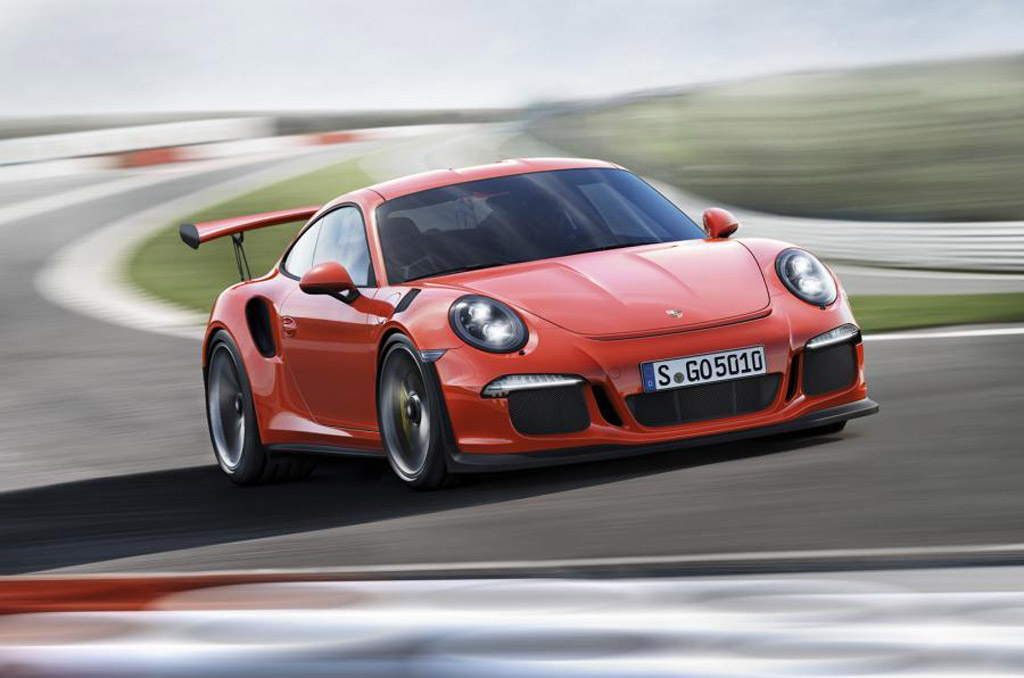
It probably was. The 911SC and 3.2 Carrera are somewhat legendary for their reliability with examples having gone 200, 300, 400K miles before needing major repair. There were a few issues with things like clutches and airboxes exploding, but overall they were fantastically reliable and perfectly capable of being daily driven assuming proper care and feeding (valve adjustments, oil changes, doing a couple of preventive upgrades).
The article is a bit silly, as I think the myth is that anyone believes German cars designed after ~2000 model year are actually reliable. I sure don't, and even if I did like the styling, definitely wouldn't buy one without a factory warranty attached.
I could maybe be talked into an R53 Cooper S, but that's 'bout it.Leave a comment:
-
Actually, I have owned four Mazdas, a rx7, a mx6, a Miata and a 2007 6. The only one that ever gave me any trouble was the rx7 and it was beaten when I got it. The other two I bought new and put 280,000 miles on the 2007 before I sold it and it was still running strong. Never had to do anything except replace the radiator and starter in 7 years of ownership. The Miata was bullet proof until I took it for an oil change while on a road trip and they drained it but never put oil back in it. Ran for about 600 miles before the engine blew. I would buy one in a heartbeat except I just love BMWs. On my 5th and the only bad experience was with my x5. A lot of aggravating little things that still were expensive. After my cats went out, I traded it for my 2007 Mazda 6.Leave a comment:
-
-
I think the biggest difference ive noticed, is that even when things break on german cars, the cars still run. Working at Mazda I couldn't say the same about them.Leave a comment:
-
-
any details as to which models and years this applied to?
Also, most of the stats gathered are an average for a given make, when compared to other makes. Since Porsche makes so few cars, it's kinda obvious that on average their cars are more reliable since there's so few of them to begin with.
ijs
they also were far simpler with less crap to breakLeave a comment:



Leave a comment: