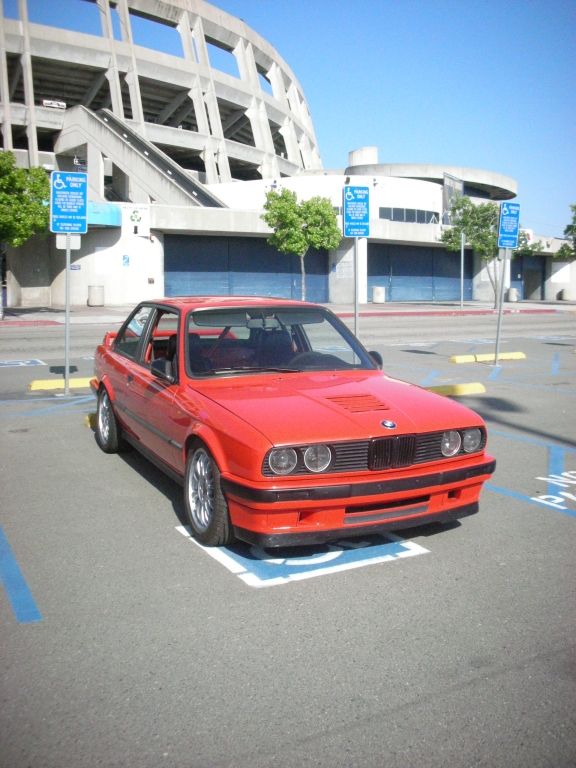
Half-Life | '91 DS 318iS Slicktop | Track & Weekend Warrior

Collapse
X
 
  • Time
  • Show
Clear All
new posts

  • Digitalwave
    replied
    Update time!

    If you recall, ever since installing my Megasquirt setup, I've been having rich idle issues when the engine bay is heat soaked. One last ditch effort I did was one step colder spark plugs. It seemed like I wouldn't NEED them... but that it wouldn't hurt trying. Surprisingly at my last track day, they might have done the trick! I say might, because we got rained out. But we got in one solid session with a pretty dry track, and I was still pushing the car hard. The idle was perfect pitting in after the session. Before, I would basically have to hold the car at part throttle to keep it from stalling out, it was idling so rich.

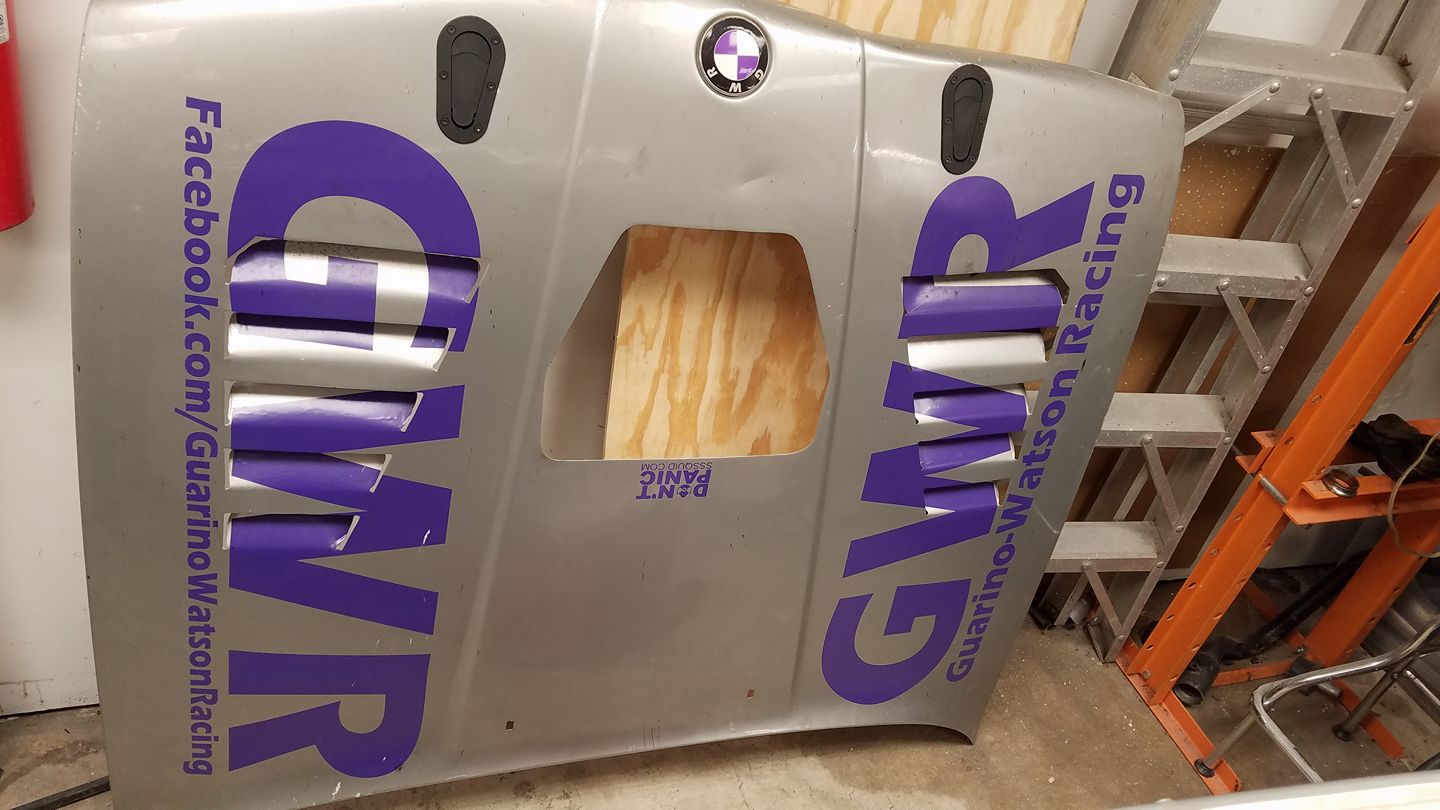
    So that's good news. I will report on that again after the next track day in a couple of weeks. In other news, I have been working with Lawrence over at N15 Design (www.n15design.com) to develop a center hood vent specifically for E30s. The design has been finalized, and they are being cut soon. We spent several weeks taking measurements [from my OEM hood and engine bay]. I'm really happy with how the design came out.

    The center vent is about 8" long, a good compromise for 6 cylinder engine bays. It will feature a leading edge gurney flap to kick up the air, and the last slat is recessed so the air can settle back down on the hood. Each individual slat has the same natural arch/curve to it as the hood does. So if you look at it from the nose of the car, the far edges of the slats will not stick up higher than the center does. Little details like this make it very nice! They will be for sale on his site soon for anybody interested.

    I will also be installing one of his E36 side vents on the passenger side of my hood, where the headers are. I don't see any need to do the same on the driver's side, as my intake is closed off to the high beam delete. There isn't anything particularly hot on that side of the bay, and I know the center and pass. side vents will make a big difference.
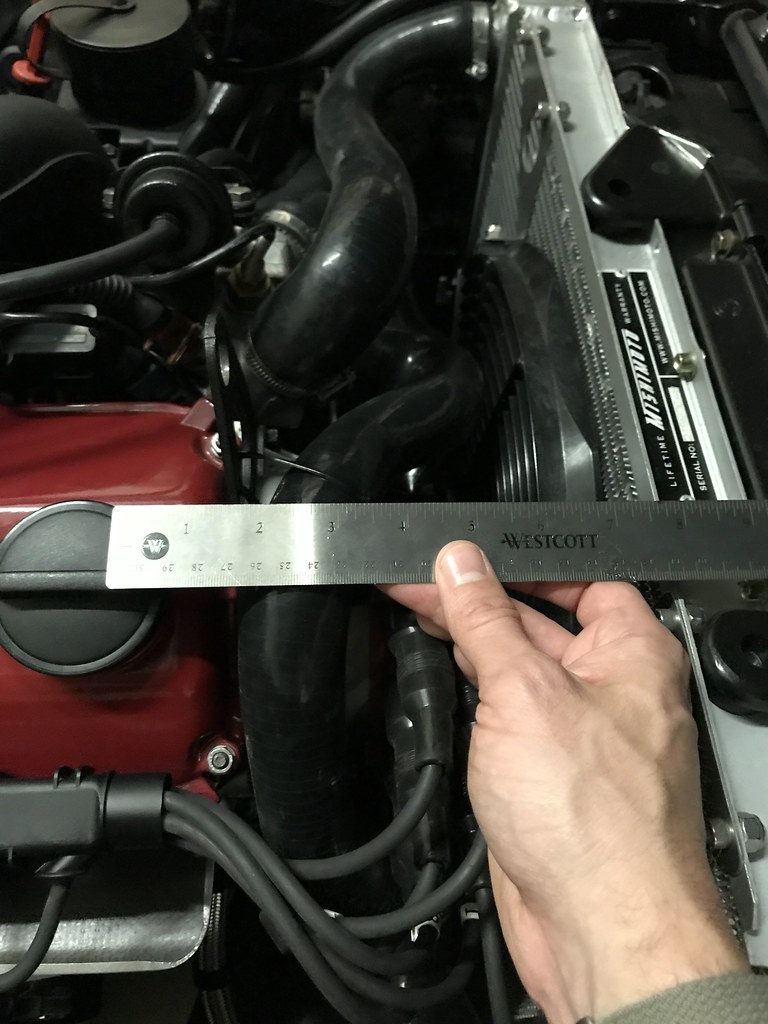
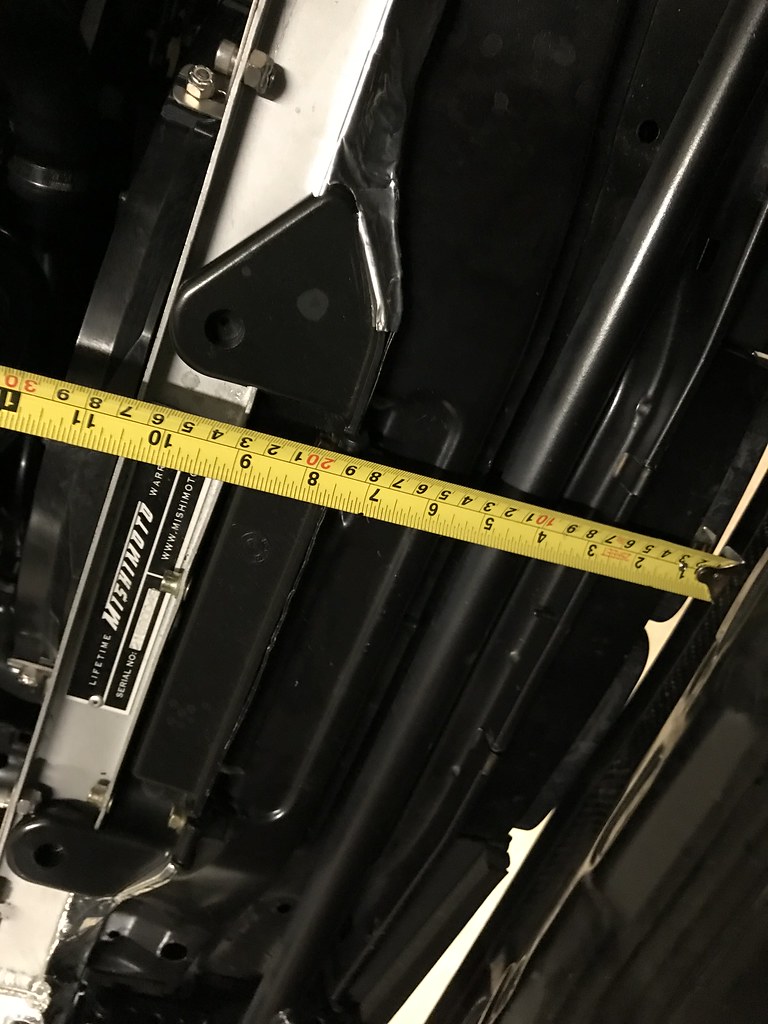
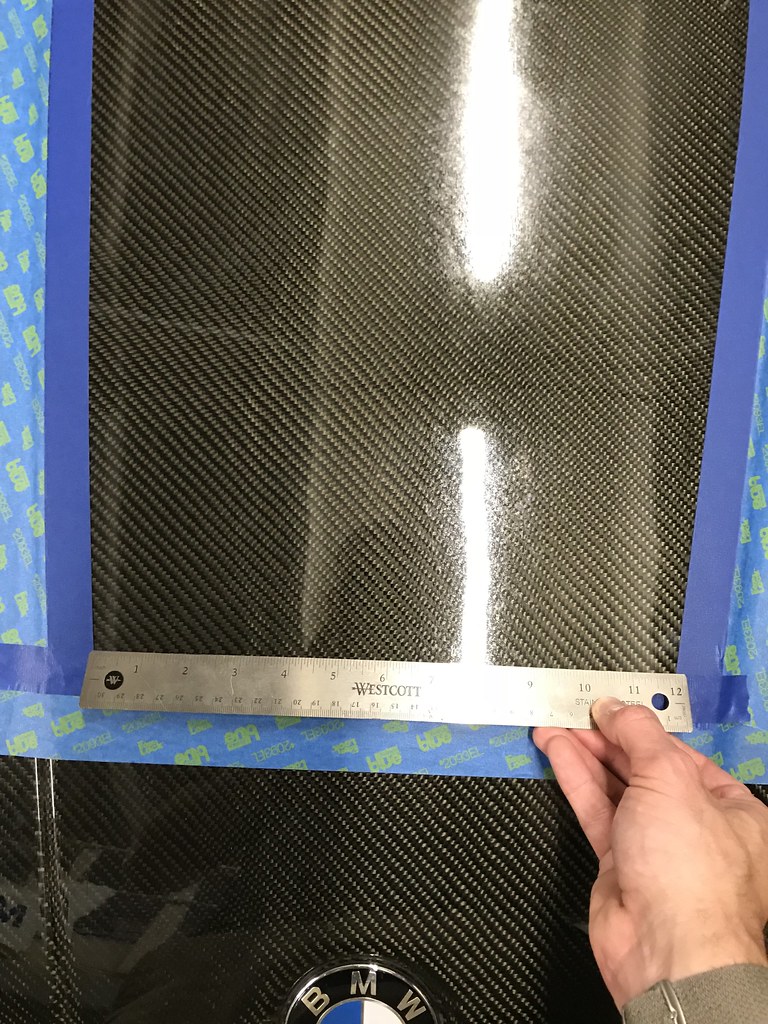


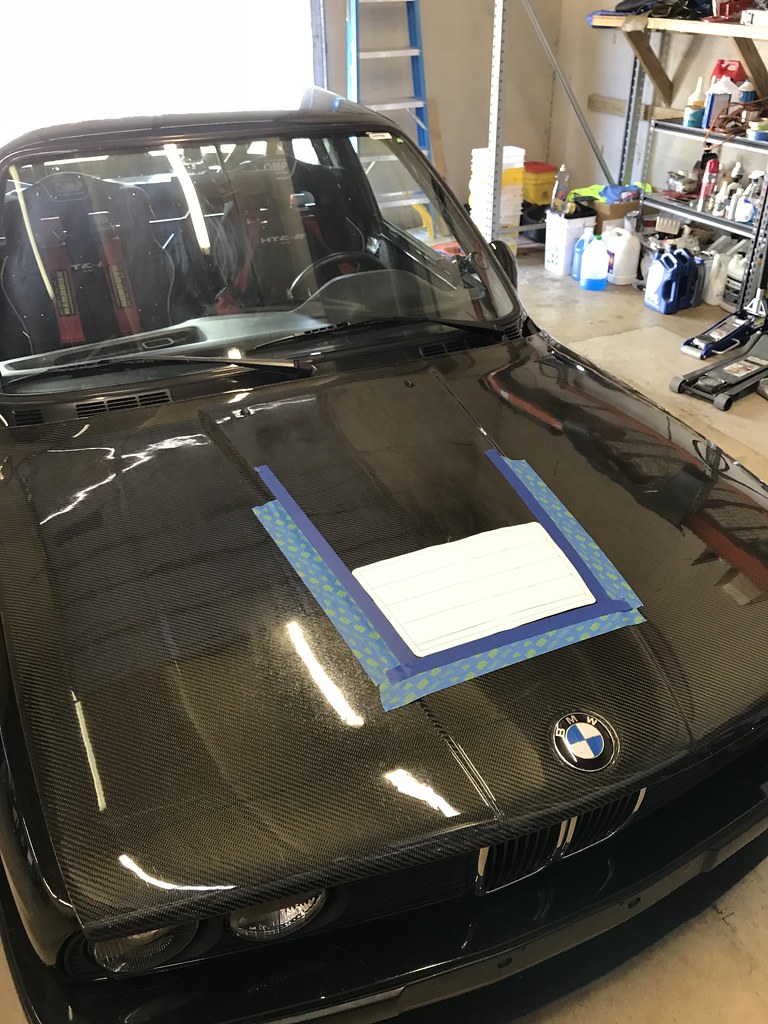
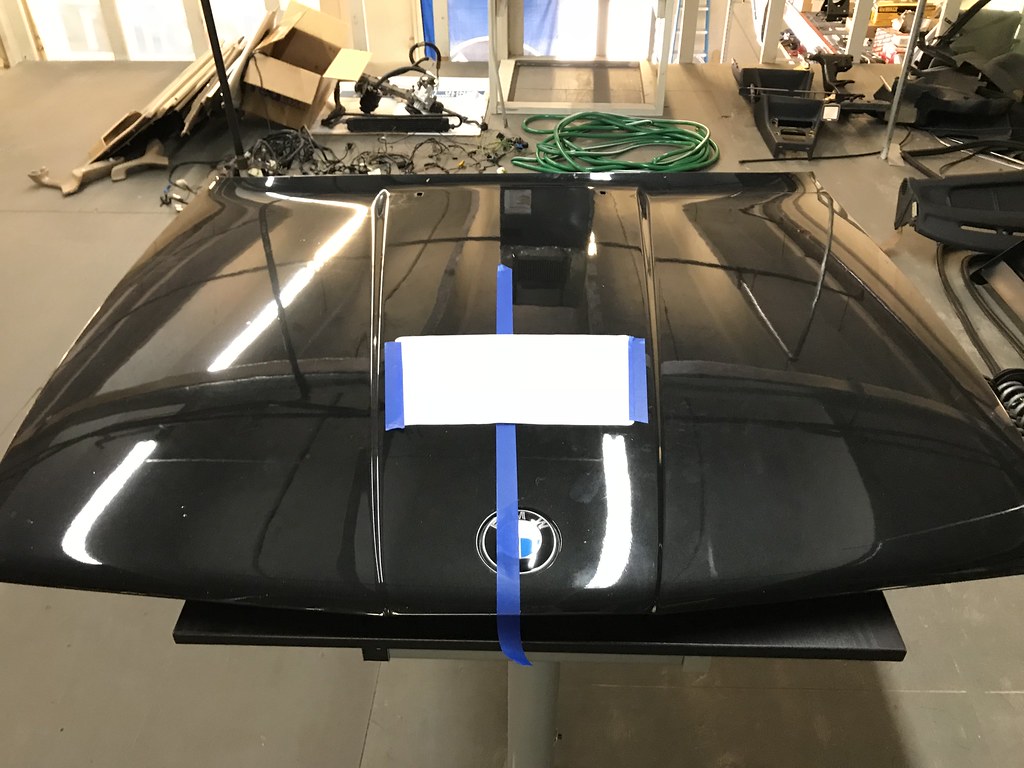
    This was the first mock up that included lines at 8", 10", and 12" long. With the coolant sensors, CPS, and injector Home close to the front of an M20, we decided 8" is the way to go.
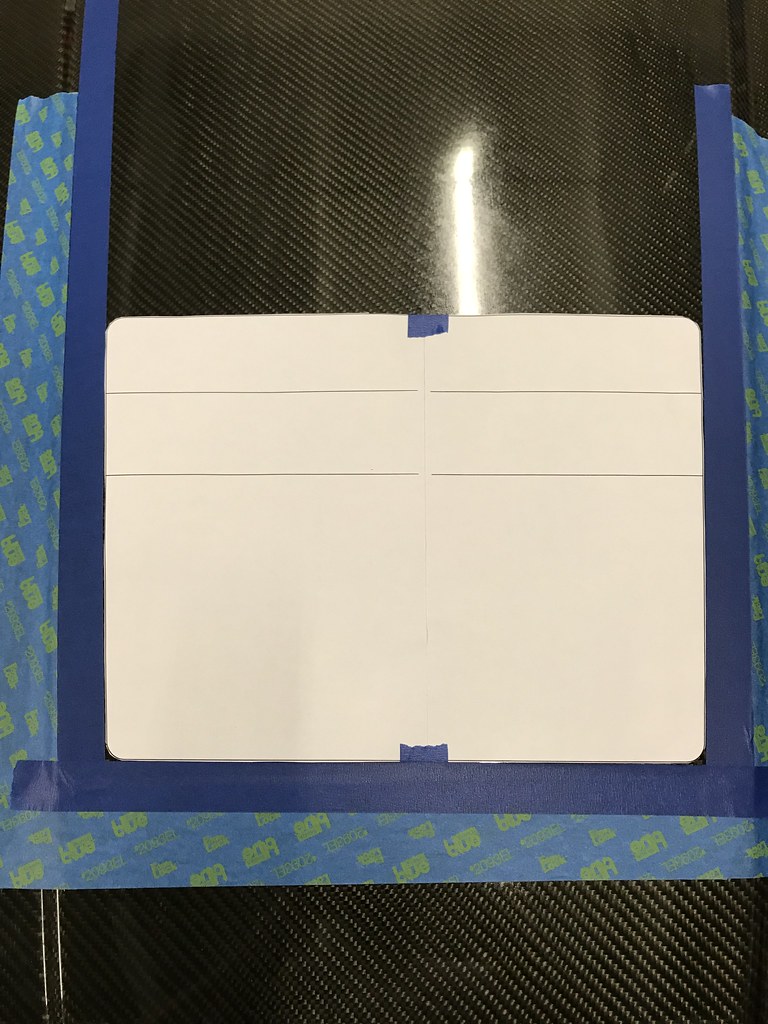
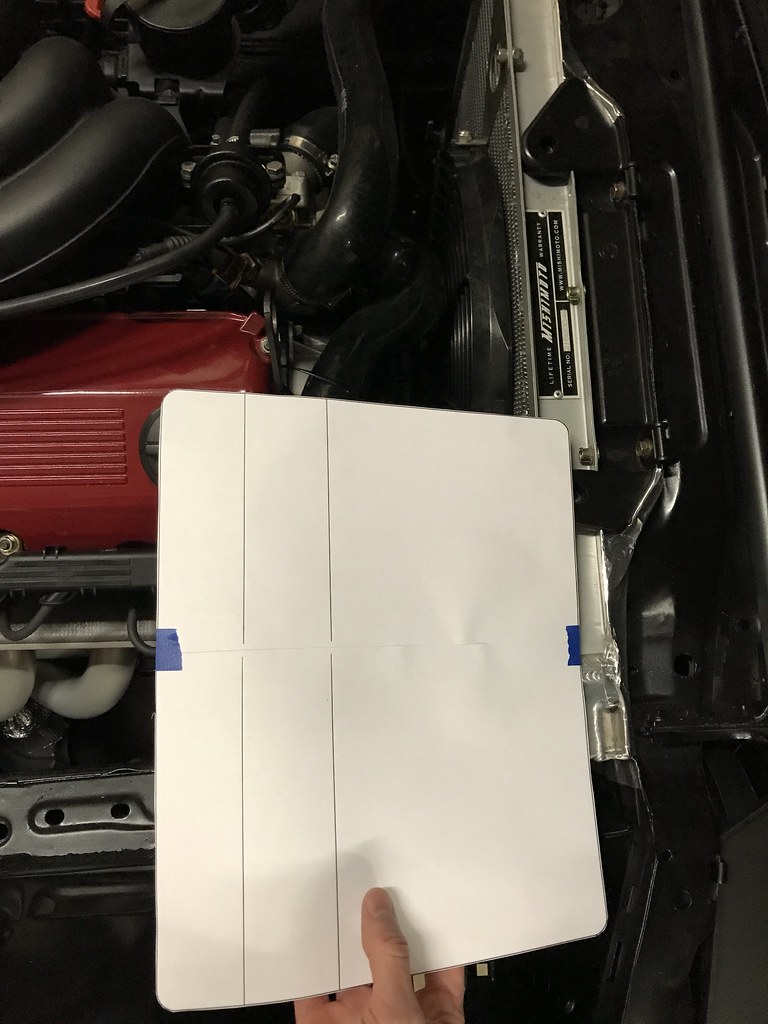


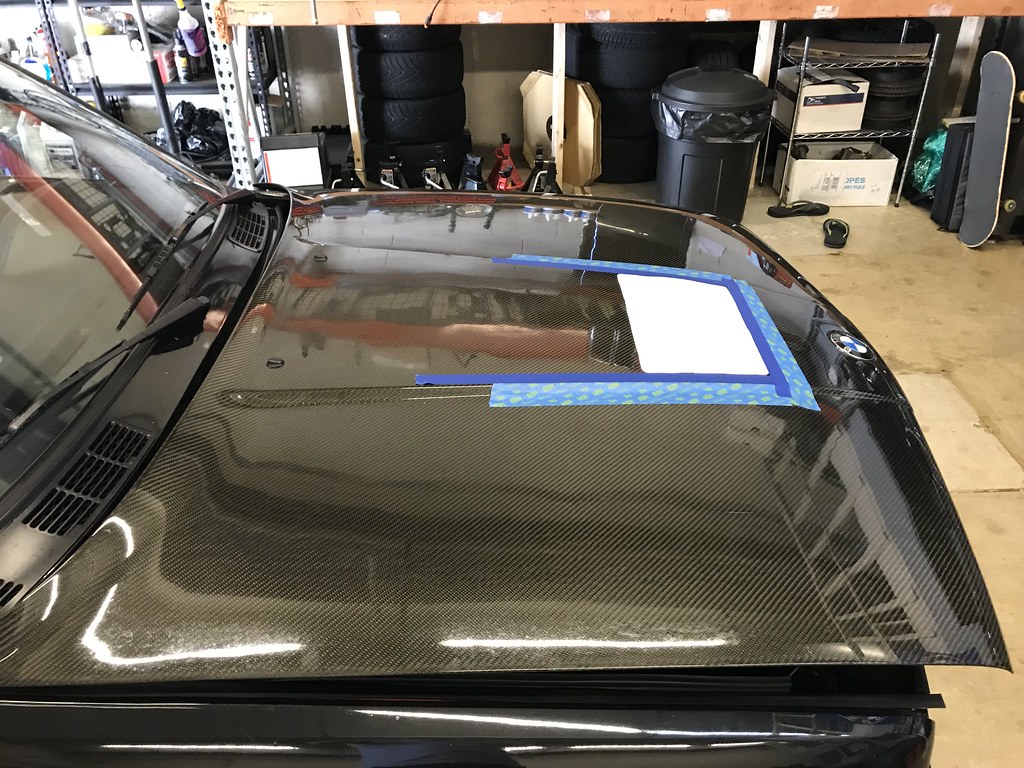
    And here is the final size and placement.


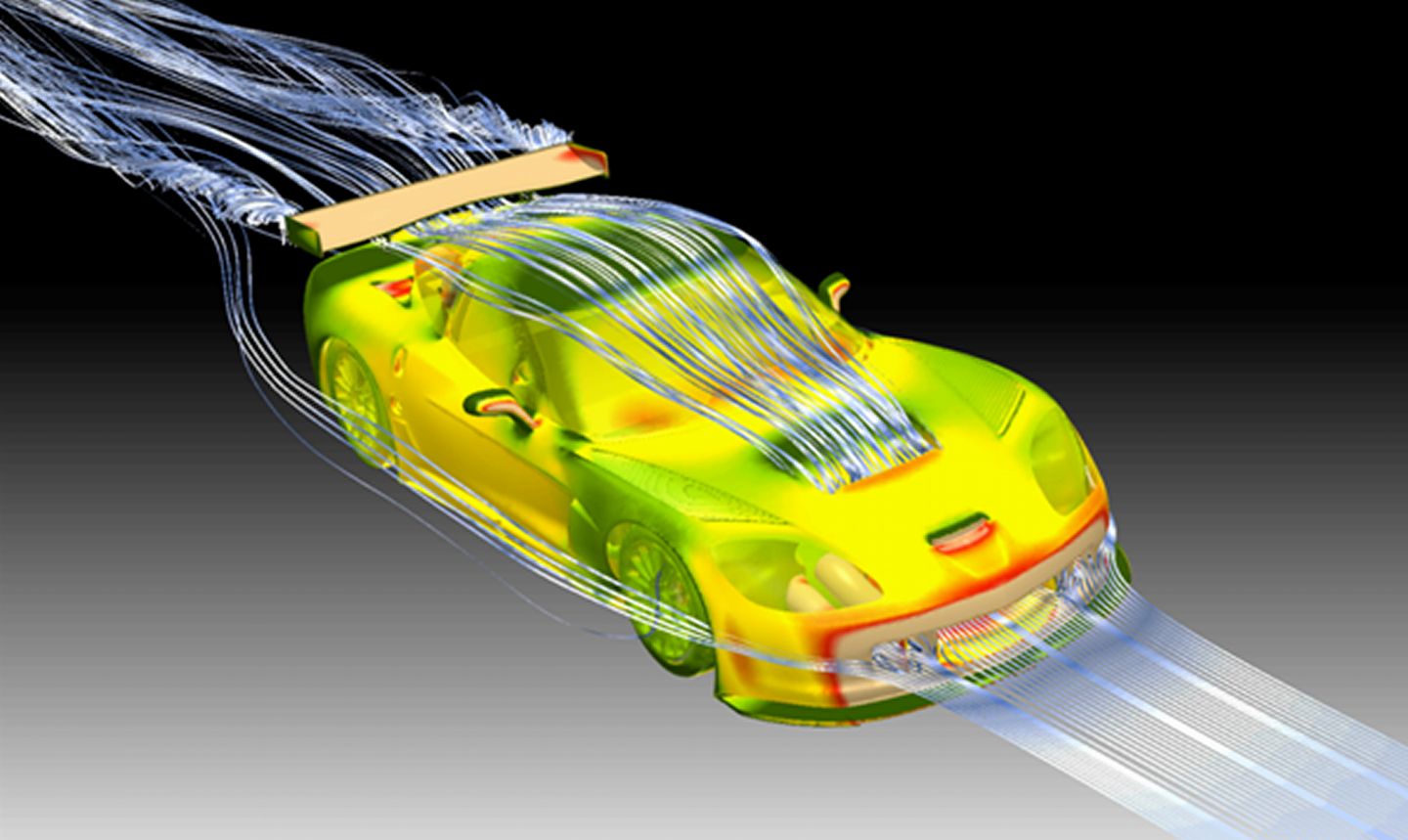
    Here is some inspiration I drew from the new Corvette (first pic), and I believe an ATS-V I saw at Cars & Coffee.
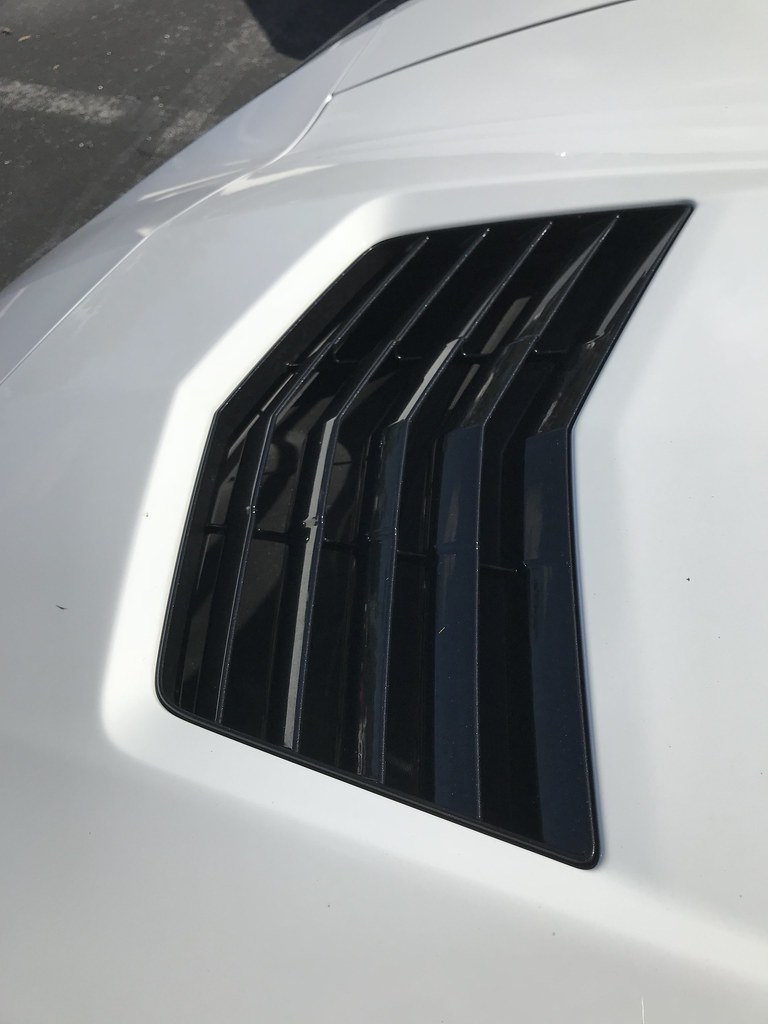
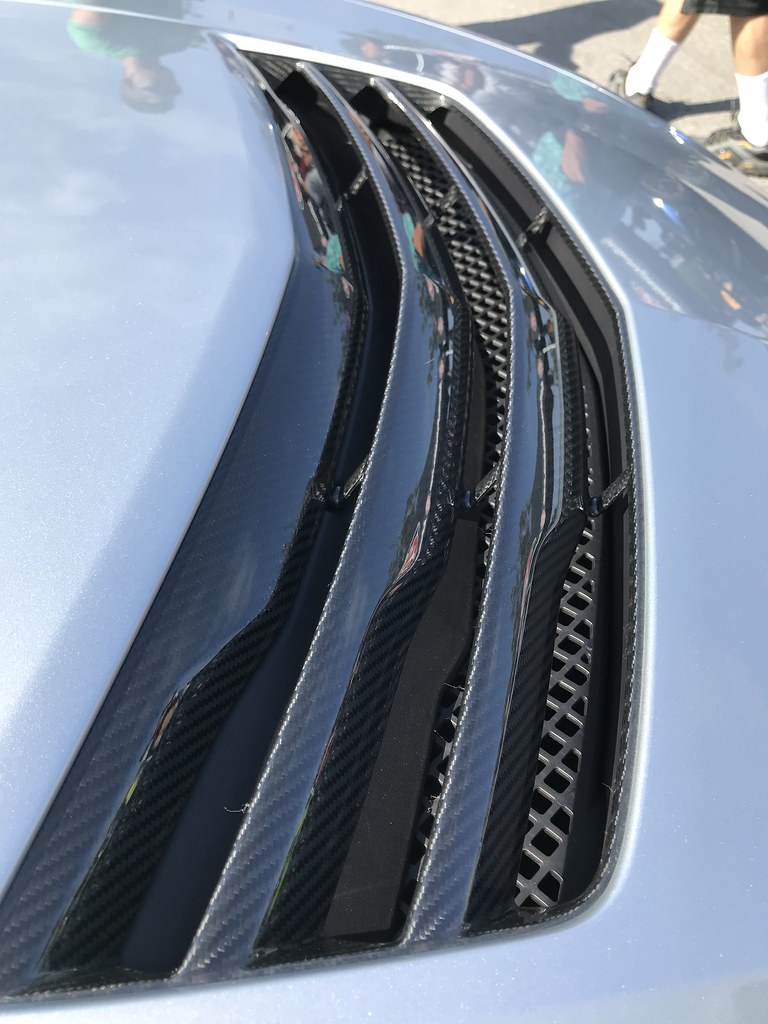
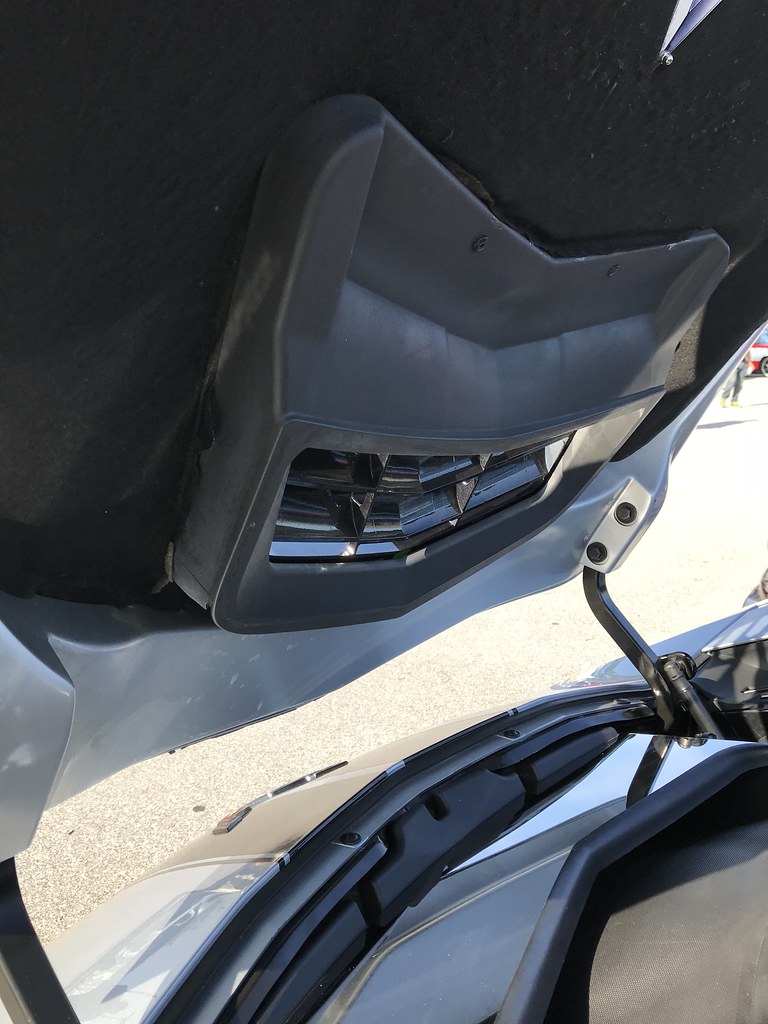
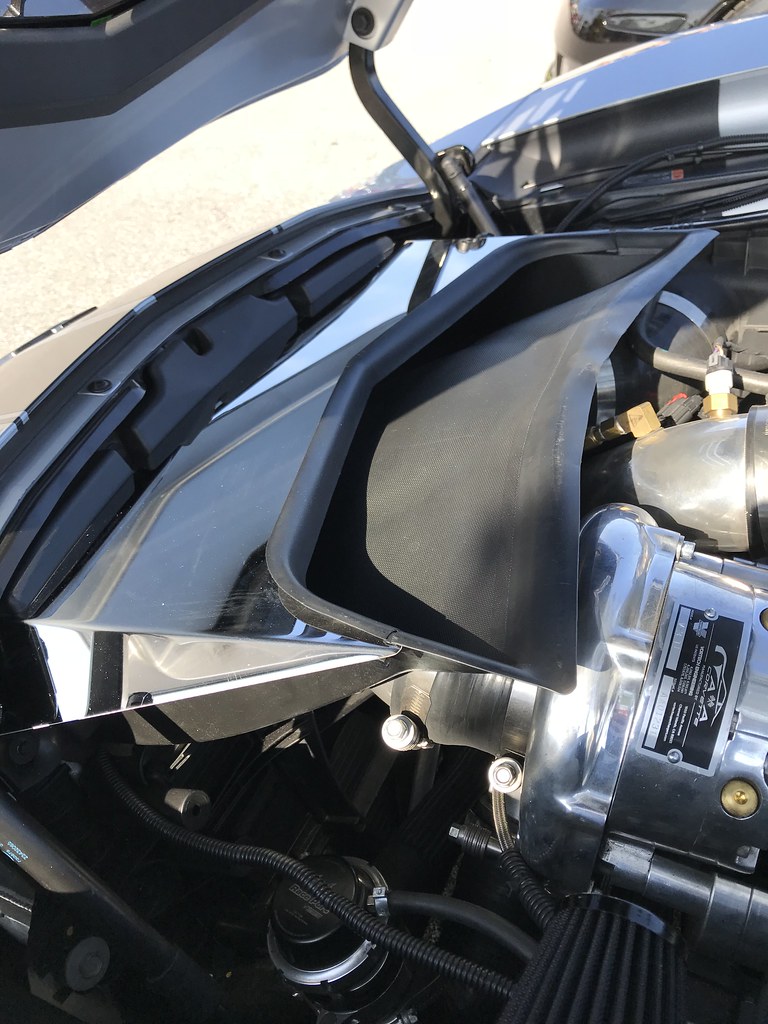


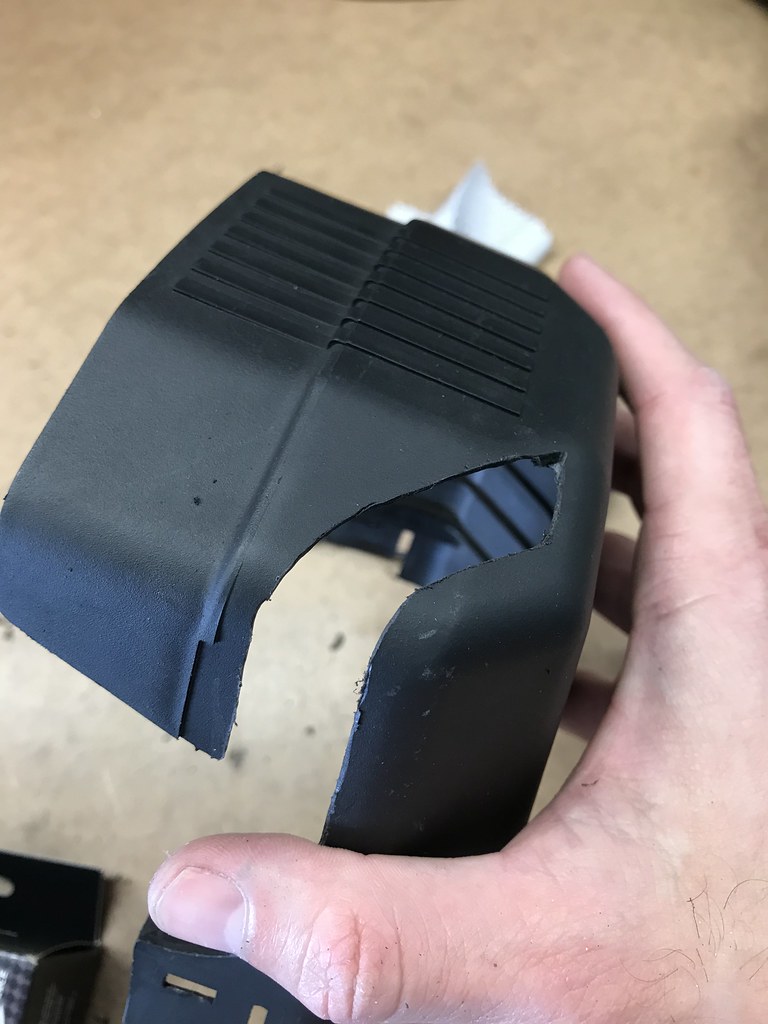
    Knowing I'd probably have at least some water intrusion up front in the near future, I trimmed up my distributor plastic shroud to reinstall. This was because I have a relocated coil, and I run the single wire up behind the pass. side headlights.
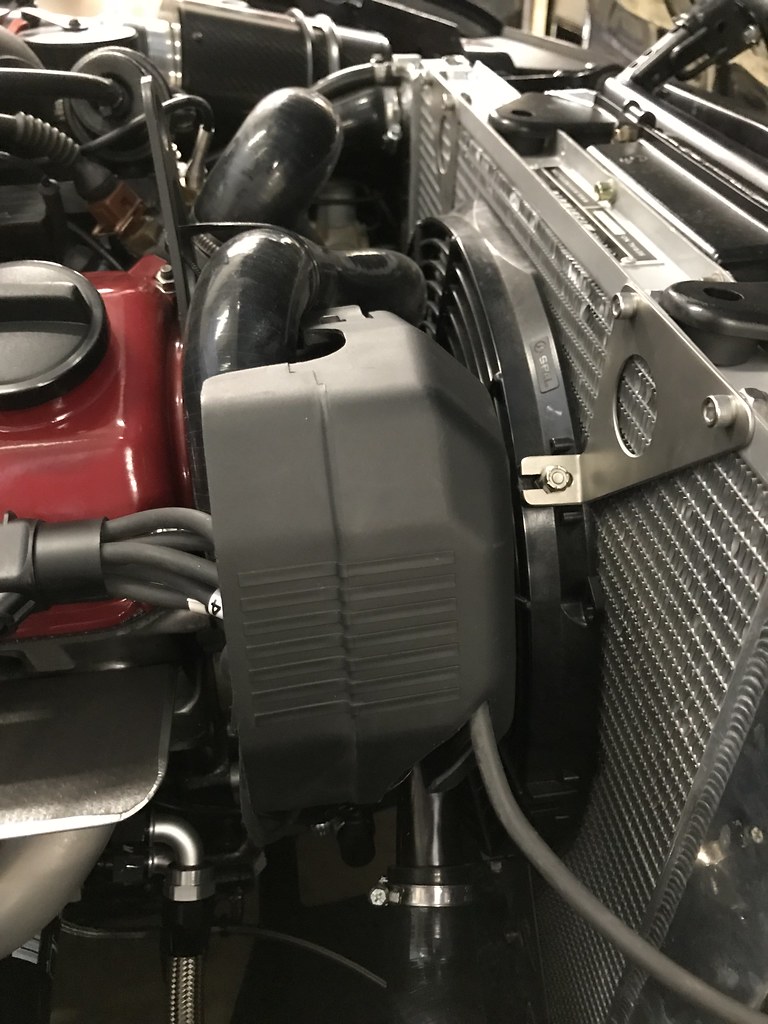
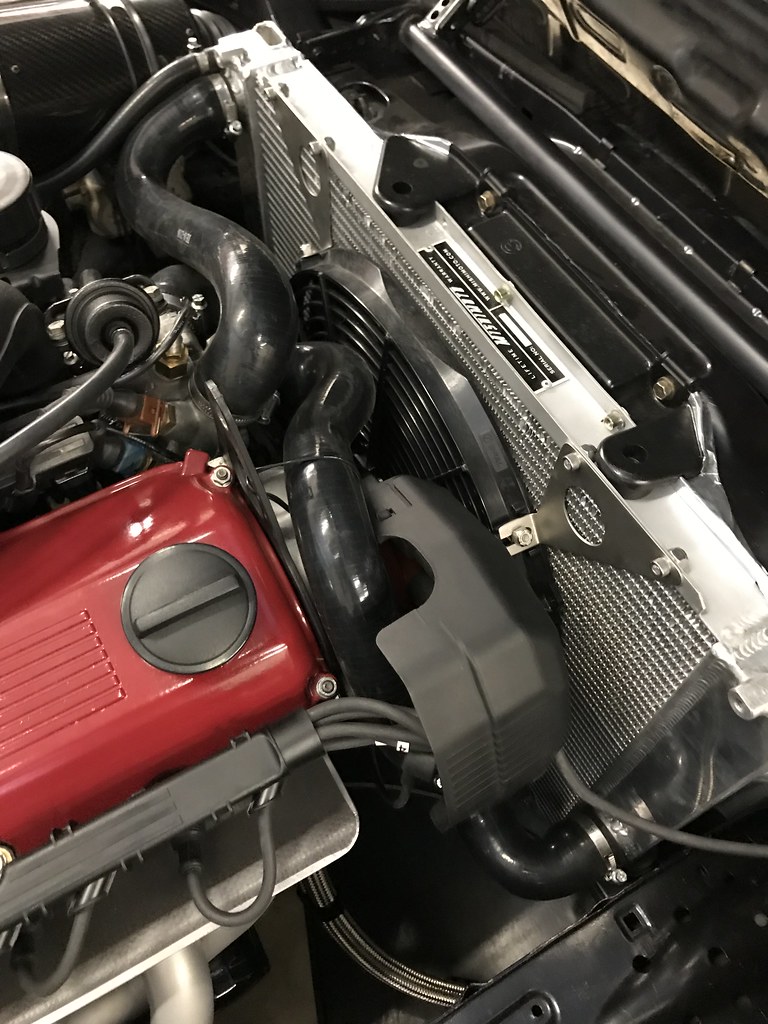


    The next project I worked on was making sure my electrical system was up to snuff. I always thought my running voltage was fairly low, usually around 13.4v-13.5v, even after charging the battery. After talking to Greg at Bavarian Restoration, he made some great suggestions that I applied to my car.

    The first was to replace all of the fuses in the fuse box with brand new fuses. I always thought it was cool having old school factory BMW fuses in there, but he explained that the corrosion and oxidation on them after 30+ years usually causes some voltage drops. That was a cheap, quick, and easy thing to do.

    I then went through every ground and power connector in the bay, and cleaned them up with a scotch bright pad and contact cleaner.

    Next up was the alternator. I installed new brushes, which was very quick and easy. I did not realize that the alternator grounded through the case and the mounting point. I had painted my mount when installing this engine. I am sure it was still grounding through the adjusting bracket, but at Greg's recommendation, I installed a dedicated ground cable from the back of the adjustment bolt down to the oil pan, at the same point that the main engine ground attaches.

    I also installed one of Greg's mucho nice alternator power cable -- the thick one that runs from the alternator to the starter. Lastly, I cleaned up all the connections on the engine bay power distribution block. They were all pretty nasty.
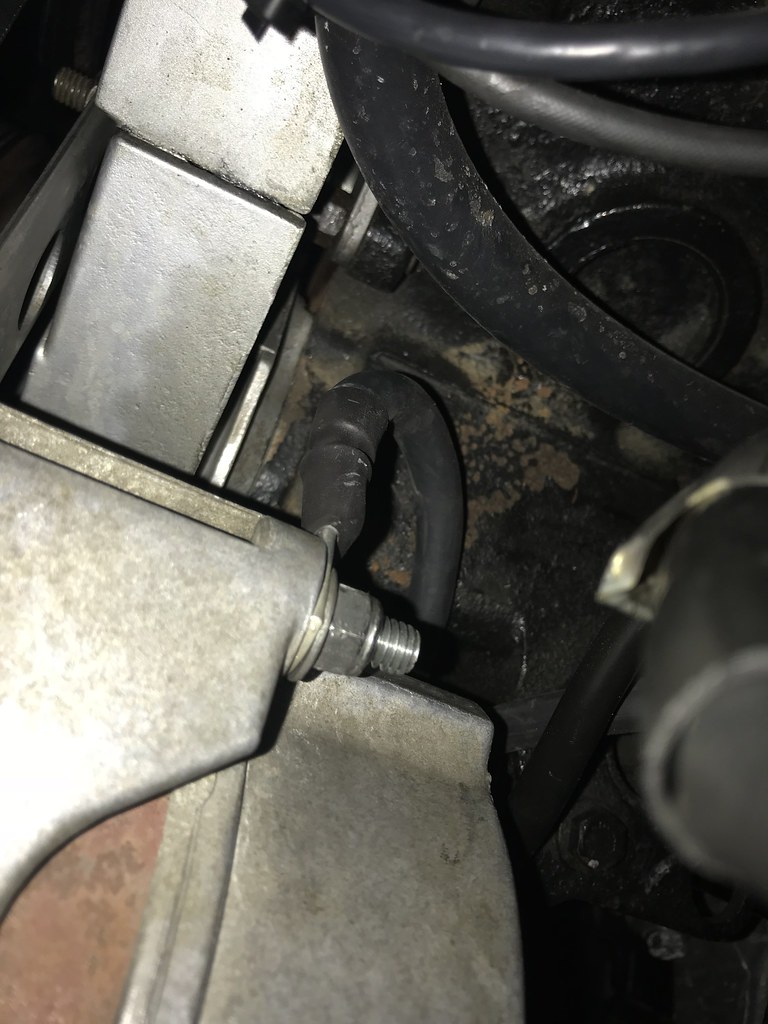
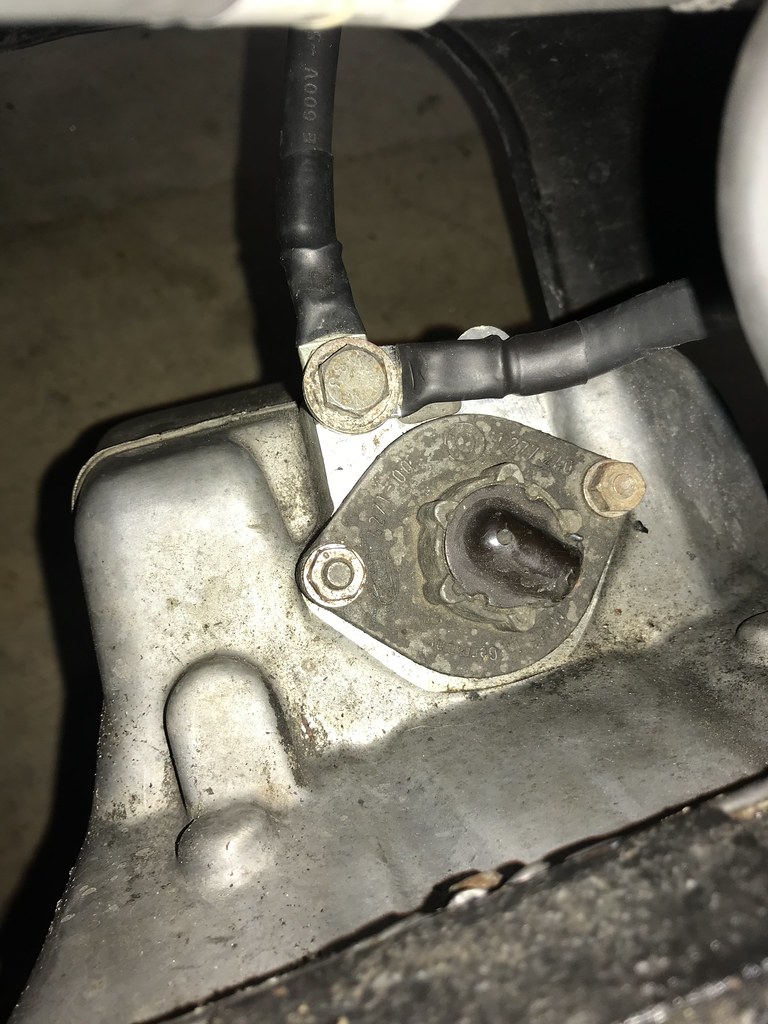
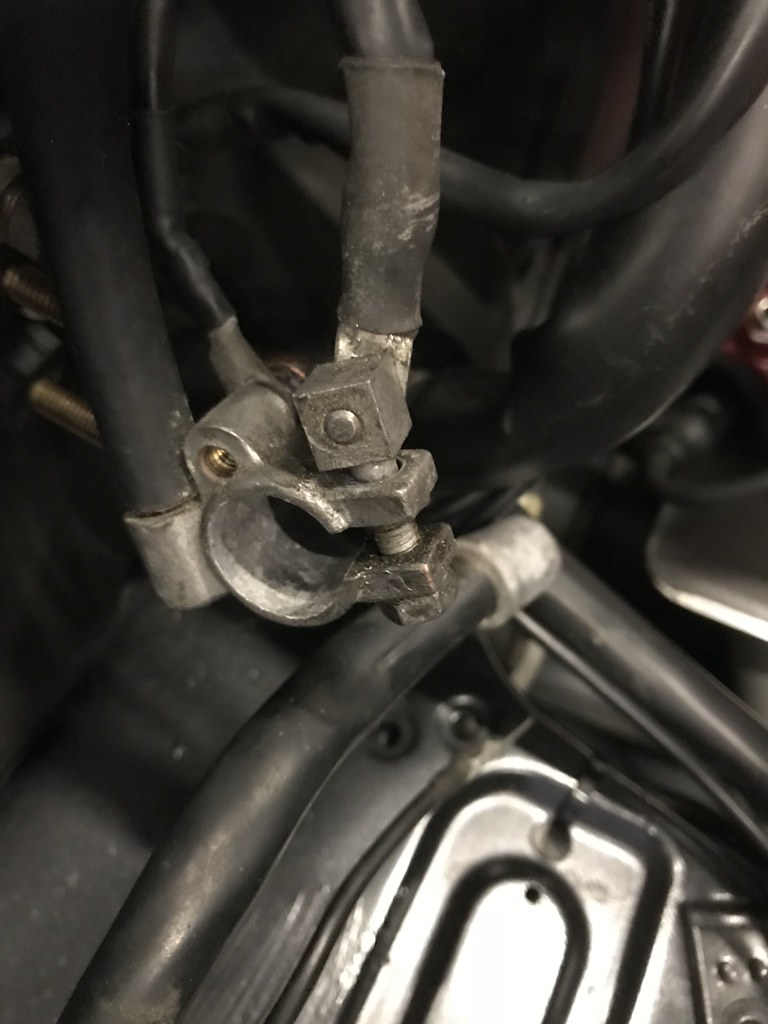
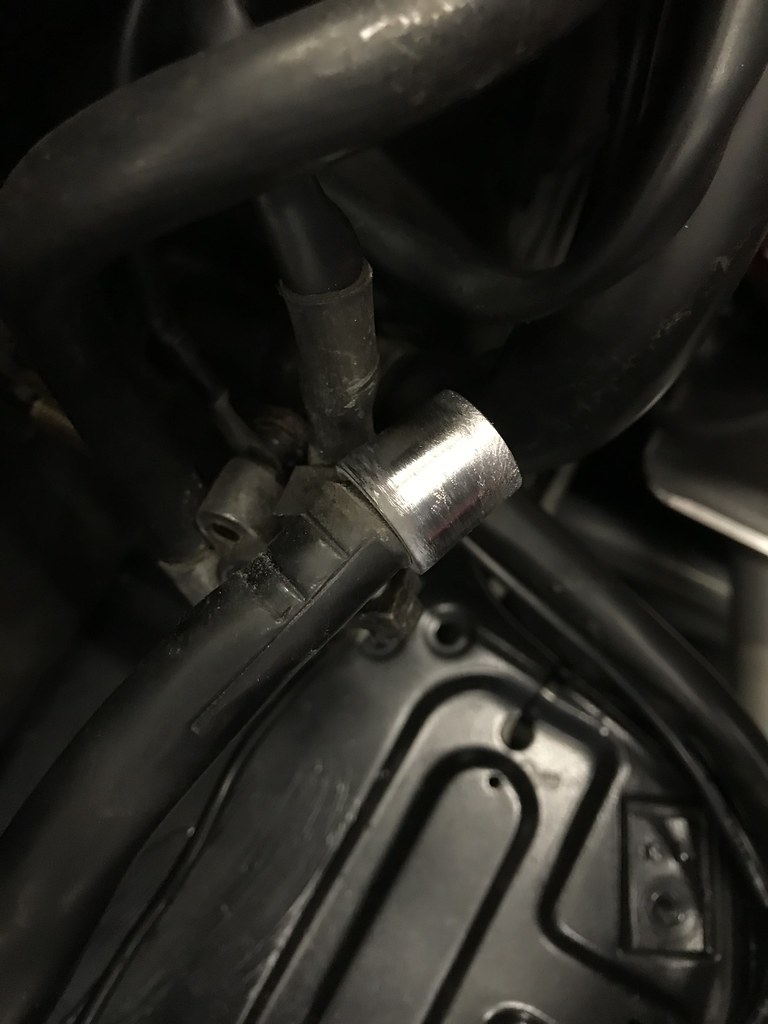
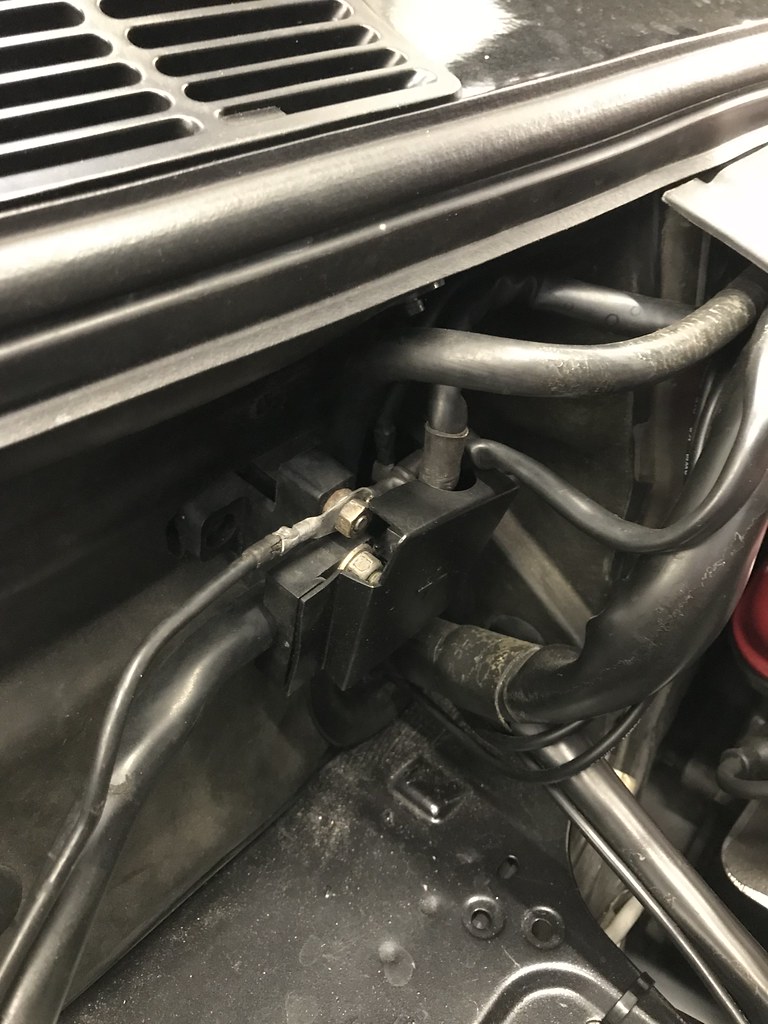
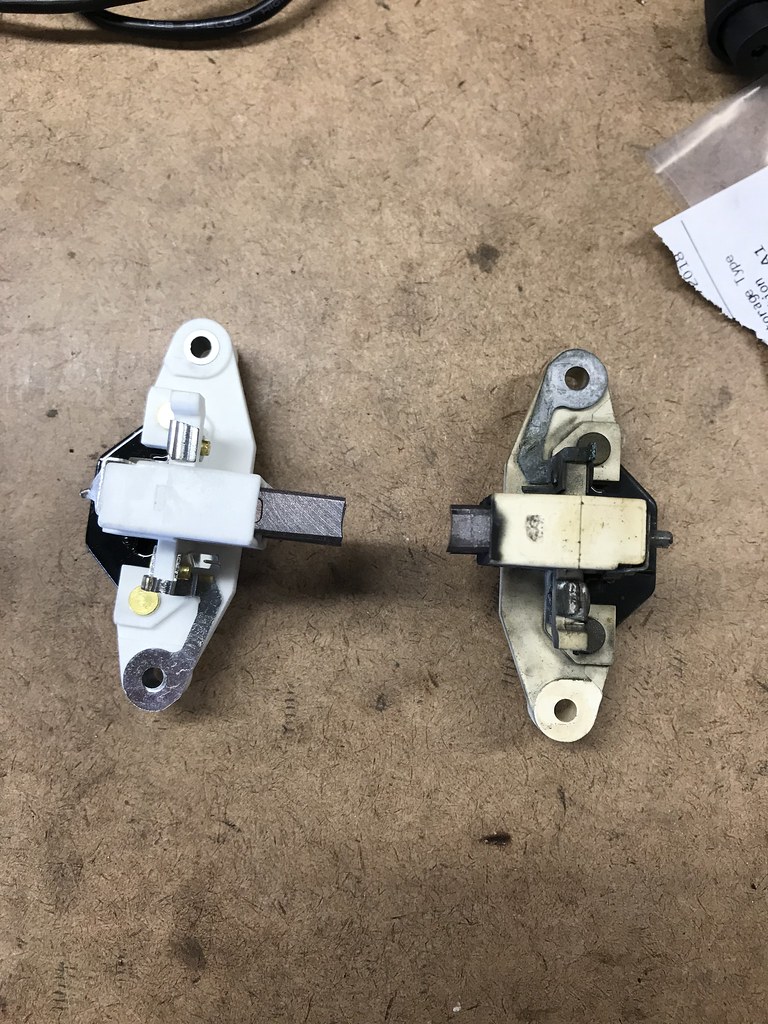


    I then used my multimeter to measure voltages at various points: the Megasquirt board, the injectors, the coil, etc. to make sure they all read accurately (and that Megasquirt was "seeing" proper voltage).

    The end result? The first E30 I've seen run at over 14v! I am not consistently getting 13.8-14.1v, which I am quite happy with. It's an original alternator and a battery that is about 5 years old to boot.

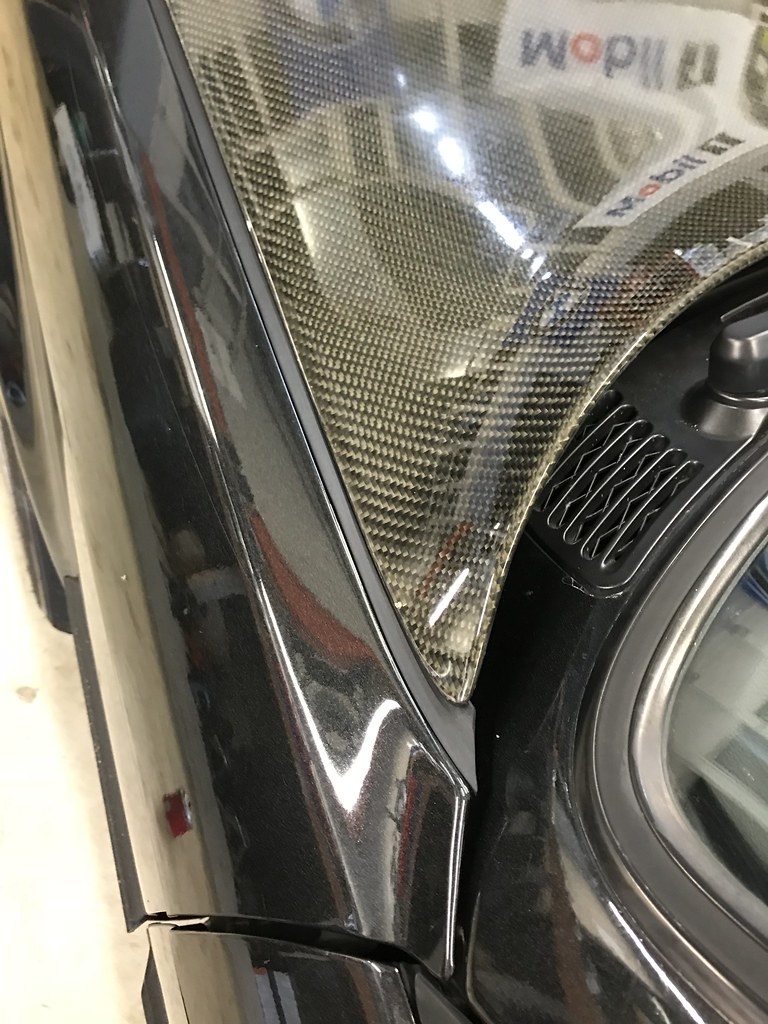
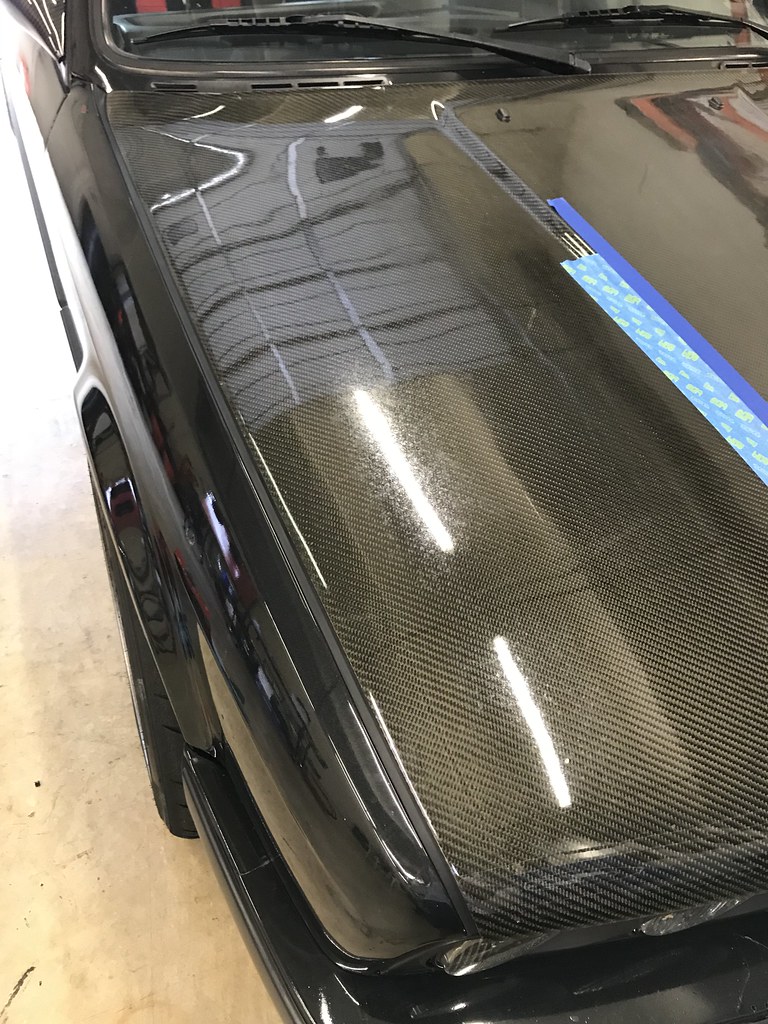
    Next up I adjusted the fitment of the CF hood. It actually fits MUCH better now. I don't know how I biffed it so bad last time I mounted it up. The hood seal now seals much better, which I think will help with engine bay air extraction, especially once the vents are on. Lastly, I adjusted the rear latches/catches, so that they are tighter. On the track, this GREATLY reduced the cowl shake I was seeing at 120mph.



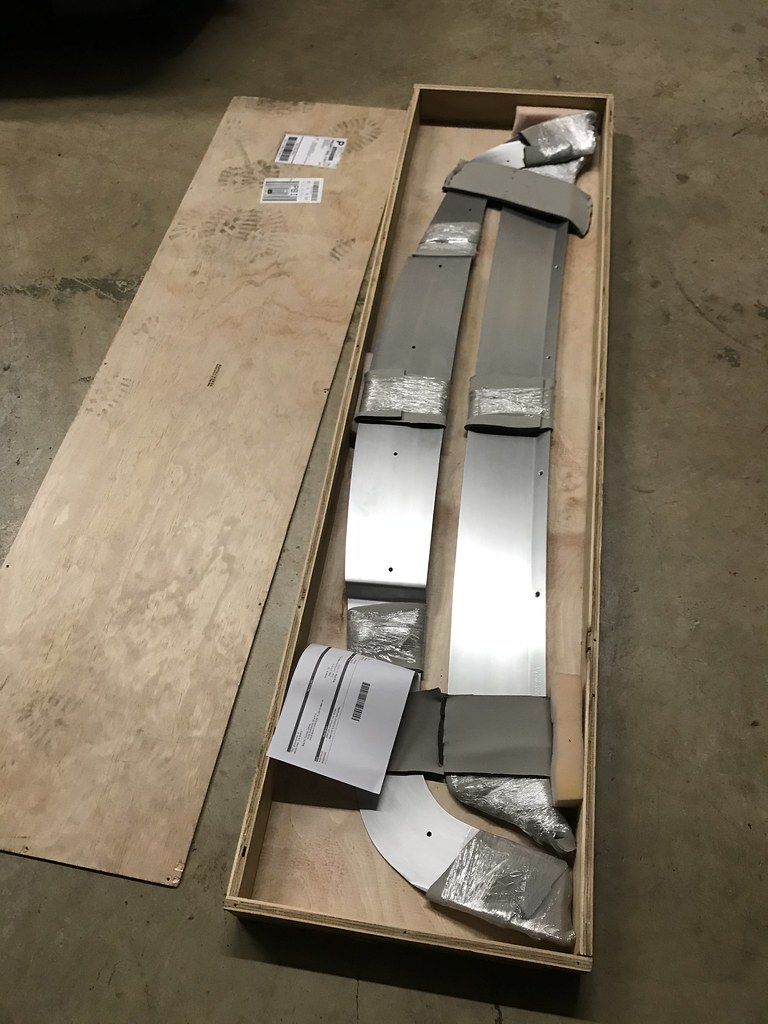
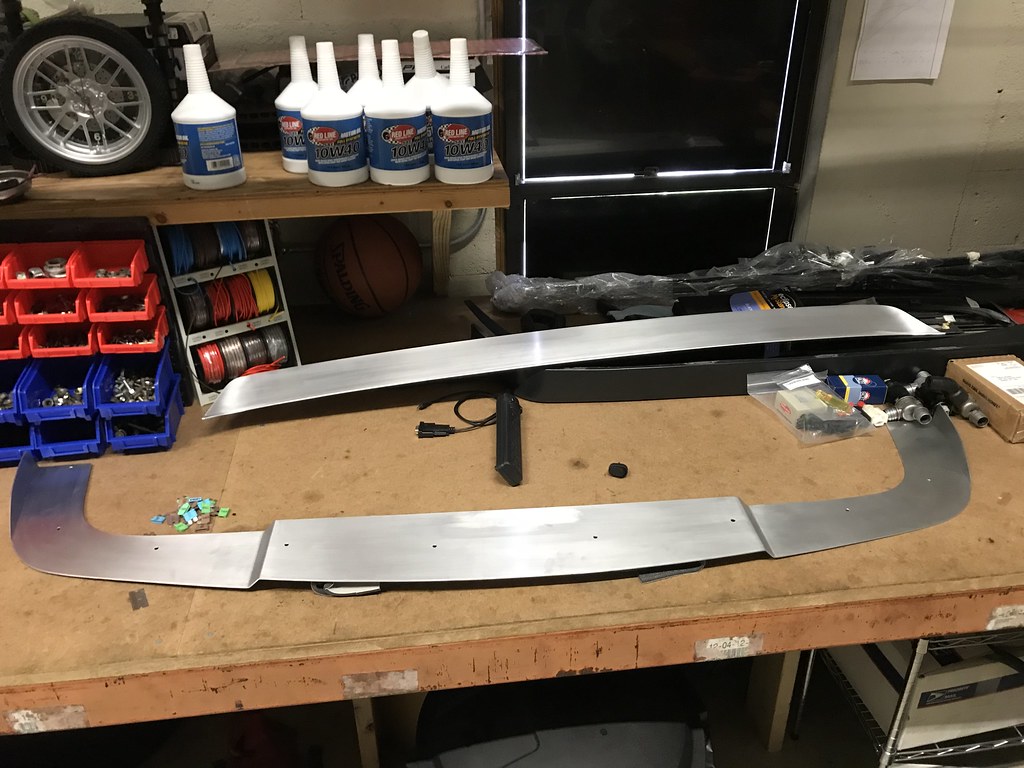
    Some new goodies from Kooglewerks arrived. Hand made aluminum front splitter and rear duckbill spoiler. I am going to have both of them powdercoated black, then both will be mounted and braced with Longacre turnbuckle supports.


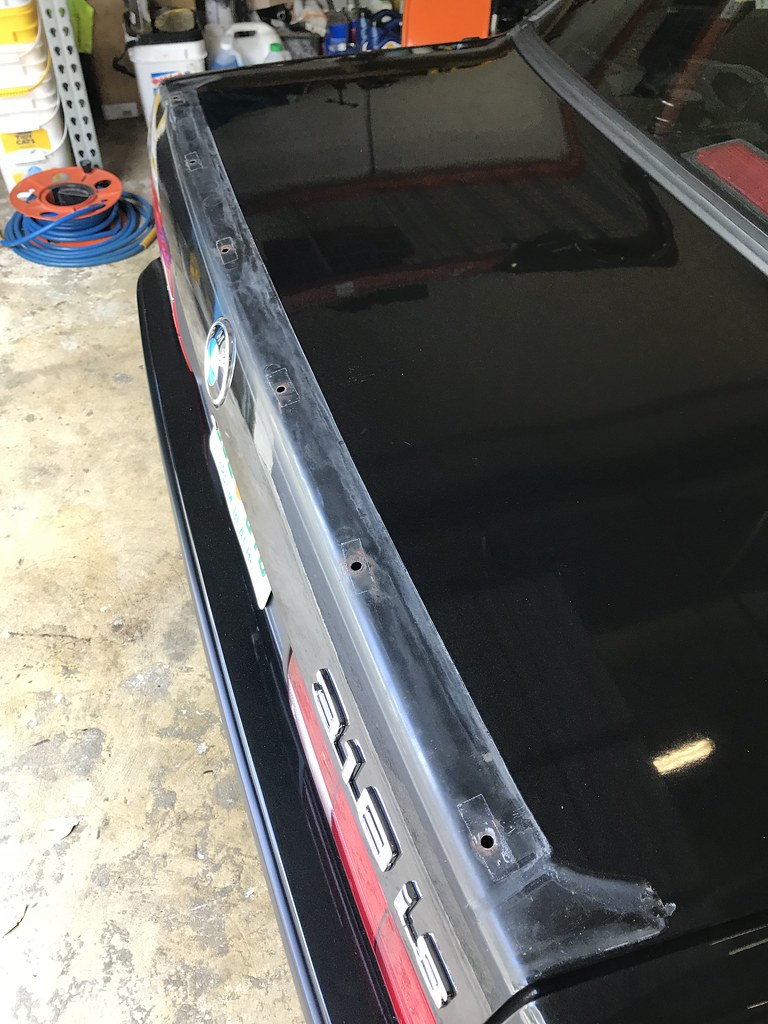
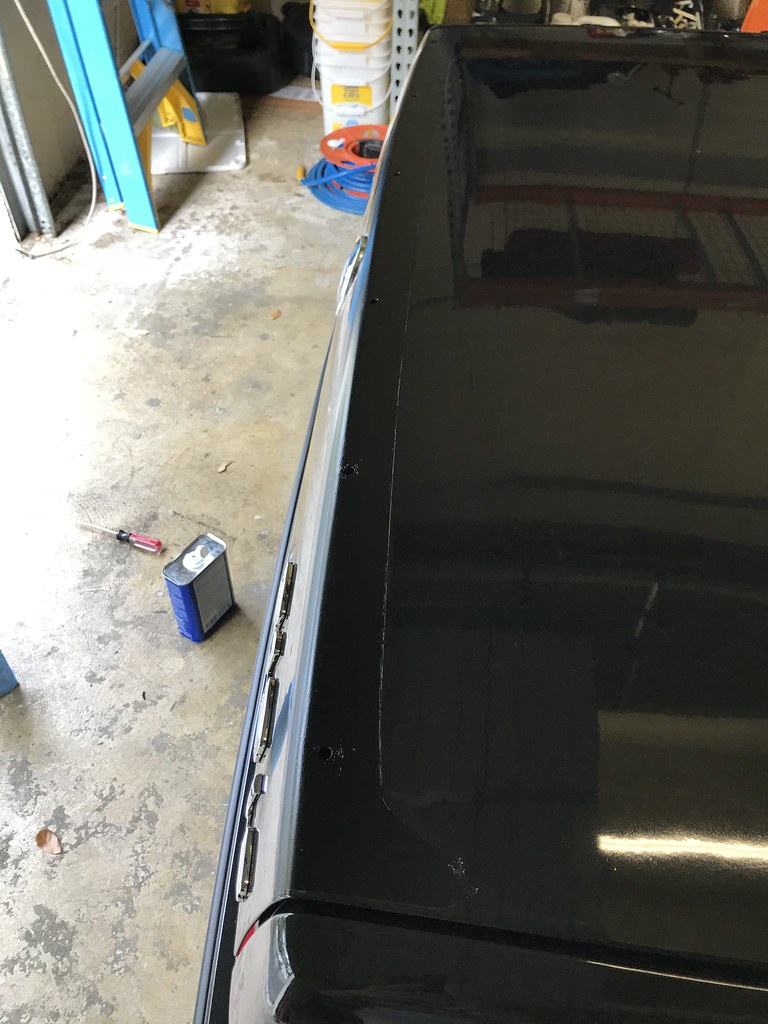
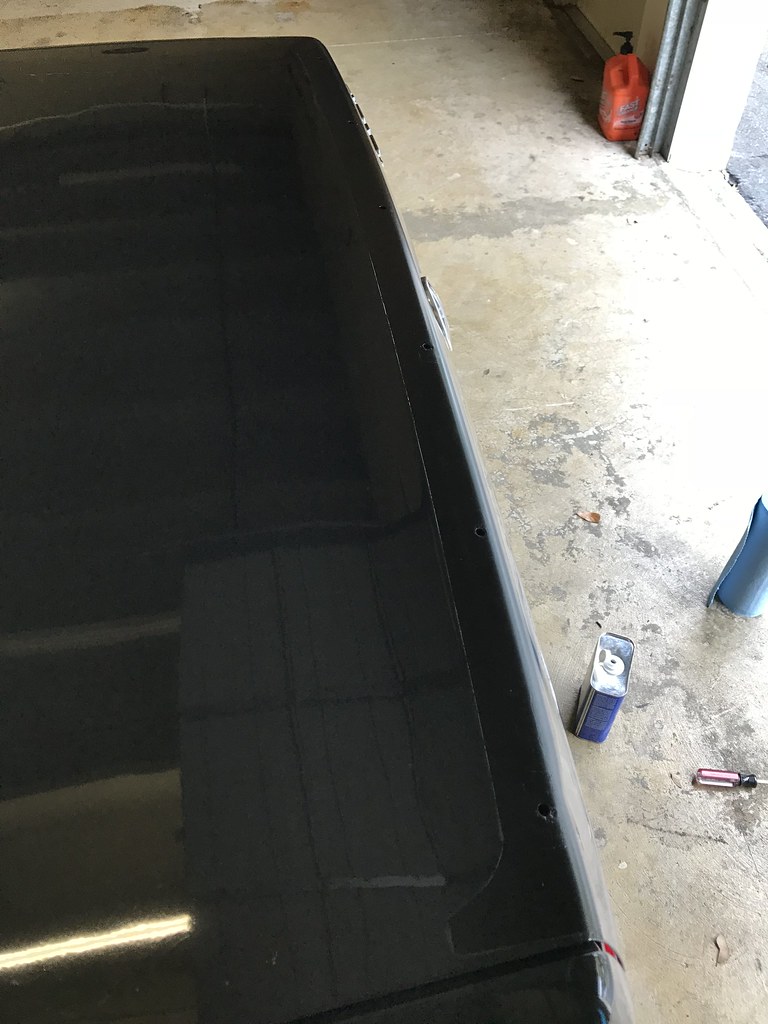
    The paint under my rear iS lip spoiler was atrocious, and the new spoiler does not fully cover up the footprint from the stock spoiler (although it uses the same bolt holes). I decided to shoot that area with some black spray paint. It's nothing to write home about, but it looks MUCH better than it did, and doesn't stand out like a sore thumb anymore. Also, the stock holes were a little rusty, so I hit them with a wire wheel to clean them up before painting.
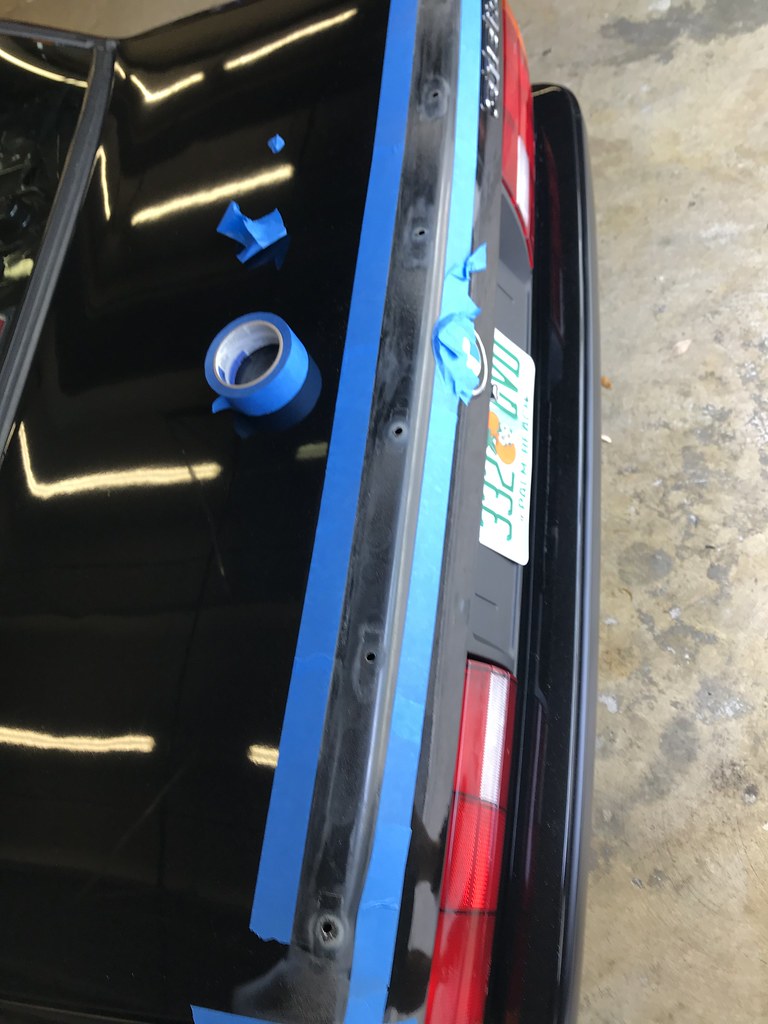
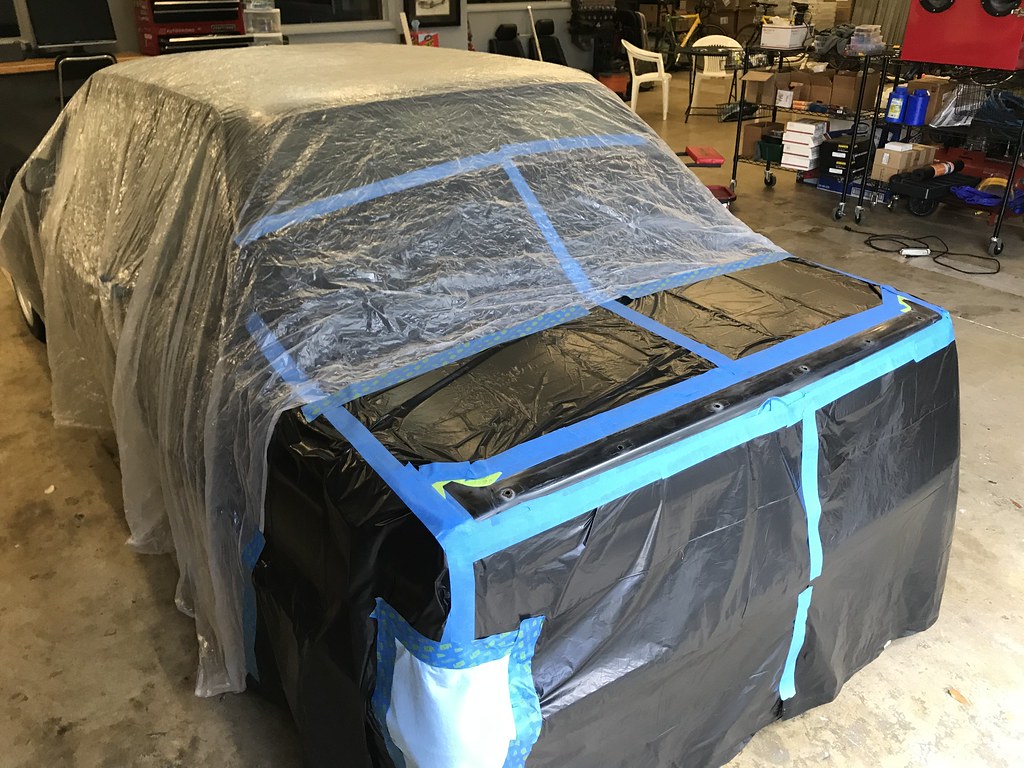
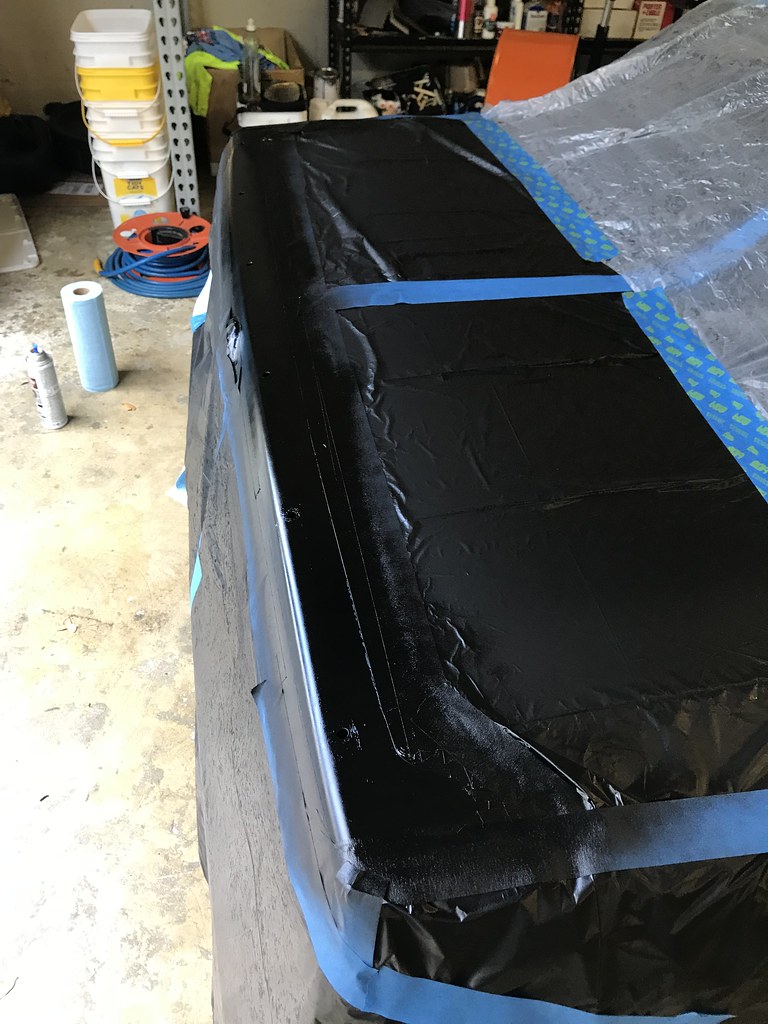


    And here is the final result after several coats of satin black Rustoleum. It's far from perfect, but it looks so much better!


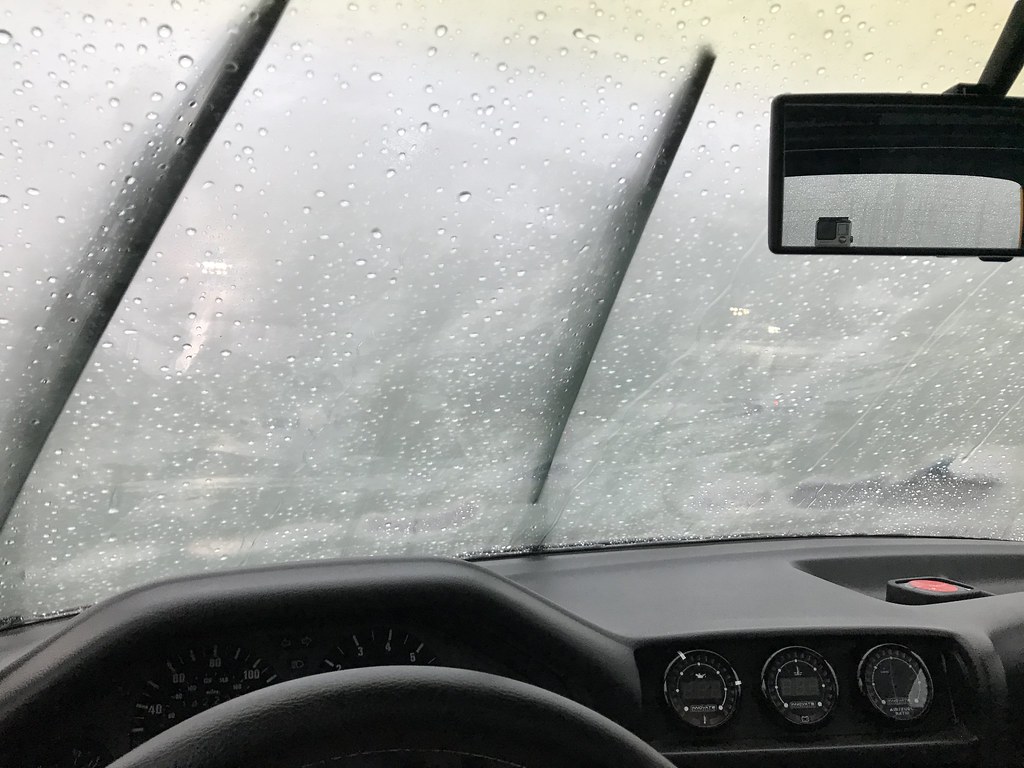
    Got to do a track day this month with my friends Julian and Gerry, as well as Carlos from Condor Speed Shop (in the white M3). We had a good time, but ran cut the day short. I think I need some anti fog for my windscreen. No blower motor. Doh!



    The next track day is on May 8th. In June I hope to bring the car up to Sebring (finally). I've got a short list of things to do before hitting the track again:

    -- Powdercoat splitter, spoiler, hood vents (black)
    -- Install the splitter, spoiler, and turnbuckle supports
    -- Cut the hood and install the vents
    -- Install thinner spring pads (or remove completely) in the rear. The car has too much rake
    -- Bleed the brakes
    -- Rotate the tires
    -- Do a once over on the suspension, brakes, etc. for safety
    -- Touch up the tune in cruise a little bit. There are a couple of minor lean spots in transitions.
    Last edited by Digitalwave; 11-07-2022, 12:10 PM.

    Leave a comment:


  • paynemw
    replied
    Originally posted by Digitalwave
    On the exterior of the hood, the high pressure is at the back by the cowl. However, we want to vent the high pressure under the hood (after the radiator) to the low pressure behind the nose. I know very little about aerodynamics, but I don't think it is effective to put the vents at the back by the cowl.
    I agree, I wasn't thinking through the problem set clearly. I put that project on the back burner and stopped thinking about it. Thanks for the clarity! High pressure at the cowl would prevent the air under the hood from exiting if the vents were at the rear of the hood!

    Leave a comment:


  • mjweimer
    replied
    Originally posted by Digitalwave
    That's awesome. I had come across some links to Gustave's old web site that were dead. I didn't know the site had been re-hosted, and furthermore even cooler that it's on my old e30sport.net domain!

    That is going to be a great resource to read through again.

    It looks like by the front edge of the radiator, you mean the further to the front of the car, yes? Not the back edge closest to the engine.
    Yes further to the front of the car. Front edge of the opening would be at the front edge of the radiator. I think this places the "open" portions of the vent at the outlet of the radiator - but it would be dependent on the actual design of the vent being used.

    Gustave did a lot of cool work and it was great that he shared his knowledge. There are some pics of my former E30 M3 intake snorkle parts on the site.


    MJ

    Leave a comment:


  • Digitalwave
    replied
    Originally posted by mjweimer
    Link to Gustave's hood vent info:

    BMW E30 M3 Performance - This site is dedicated to the BMW E30 M3. Covers tips on maintaining and modifying these unique cars.Installations of custom and aftermarket performance products are also highlighted.


    I think the key to this mod is placing the front edge of the vent right right at the front edge of the radiator - as shown in one of the pics.


    MJ

    That's awesome. I had come across some links to Gustave's old web site that were dead. I didn't know the site had been re-hosted, and furthermore even cooler that it's on my old e30sport.net domain!

    That is going to be a great resource to read through again.

    It looks like by the front edge of the radiator, you mean the further to the front of the car, yes? Not the back edge closest to the engine.


    Originally posted by paynemw
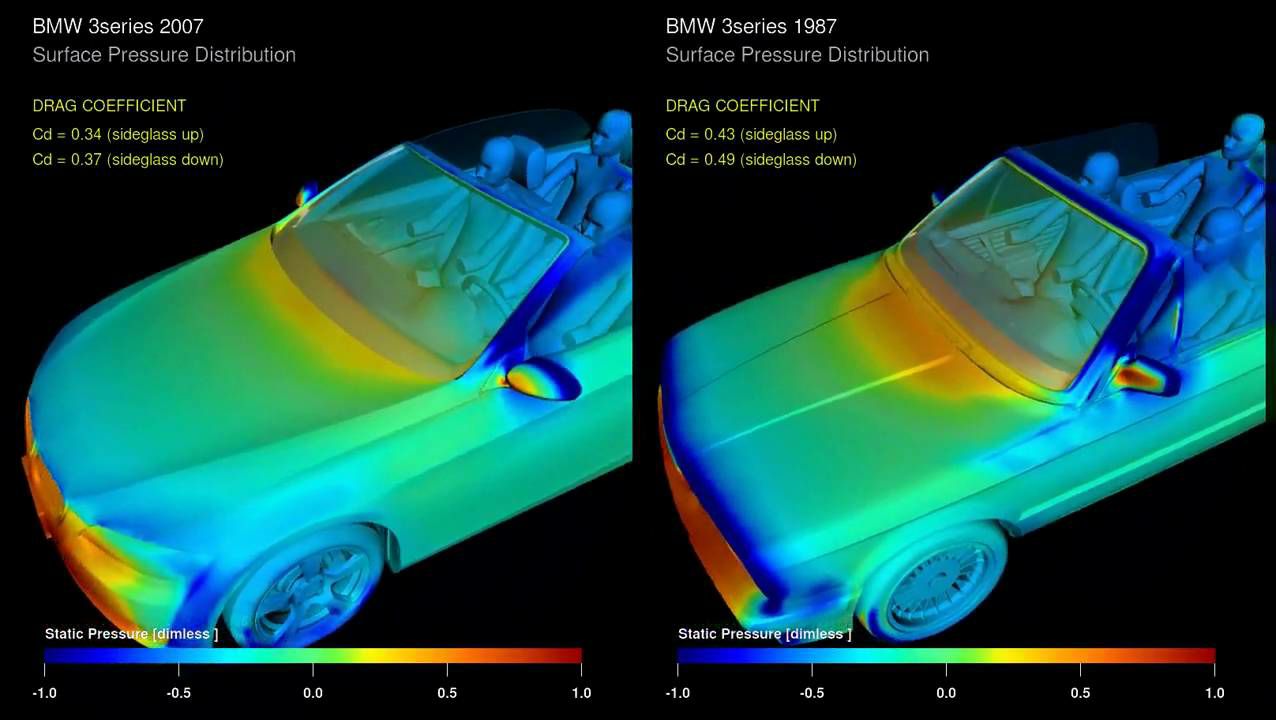
    I haven't yet. I purchased an '87 325e for the hood & trunk for $80, sold off the good parts and roller. I'm going to put a huge duckbill type spoiler in the rear and chop up the hood. The intent is to do more research to see where the best location is. I have the OEM plastic under my 325iS, so my assumption is that up front where everyone else has the slits is ideal, however, the way the hood is designed, it doesn't allow them to be very wide, which is frustrating. I also noticed from Surface Pressure Distribution image, that the most pressure happens to be right at the cowl of the e30 hood, so is there any requirement for airflow back there after vents are placed behind the radiator?!
    On the exterior of the hood, the high pressure is at the back by the cowl. However, we want to vent the high pressure under the hood (after the radiator) to the low pressure behind the nose. I know very little about aerodynamics, but I don't think it is effective to put the vents at the back by the cowl.

    Leave a comment:


  • paynemw
    replied
    Originally posted by Digitalwave
    Thanks for sharing! That is helpful. Have you done any cutting yet?
    I haven't yet. I purchased an '87 325e for the hood & trunk for $80, sold off the good parts and roller. I'm going to put a huge duckbill type spoiler in the rear and chop up the hood. The intent is to do more research to see where the best location is. I have the OEM plastic under my 325iS, so my assumption is that up front where everyone else has the slits is ideal, however, the way the hood is designed, it doesn't allow them to be very wide, which is frustrating. I also noticed from Surface Pressure Distribution image, that the most pressure happens to be right at the cowl of the e30 hood, so is there any requirement for airflow back there after vents are placed behind the radiator?!

    I also have an almost 100% airbox set up, just missing the tube between the rear headlight plastic to the airbox, so I want to ensure I have a ton of cold air passing through that area of the engine bay. But it will probably be a low pressure if I just opened up a huge path in the center of the engine bay, so I want to think about the negative affects if that happens.
    Last edited by paynemw; 03-18-2018, 01:57 AM.

    Leave a comment:


  • mjweimer
    replied
    Link to Gustave's hood vent info:

    BMW E30 M3 Performance - This site is dedicated to the BMW E30 M3. Covers tips on maintaining and modifying these unique cars.Installations of custom and aftermarket performance products are also highlighted.


    I think the key to this mod is placing the front edge of the vent right right at the front edge of the radiator - as shown in one of the pics.


    MJ

    Leave a comment:


  • Digitalwave
    replied
    Here's another one I found. Probably a bit too far back for an M20.

    Leave a comment:


  • Digitalwave
    replied
    Thanks for sharing! That is helpful. Have you done any cutting yet?

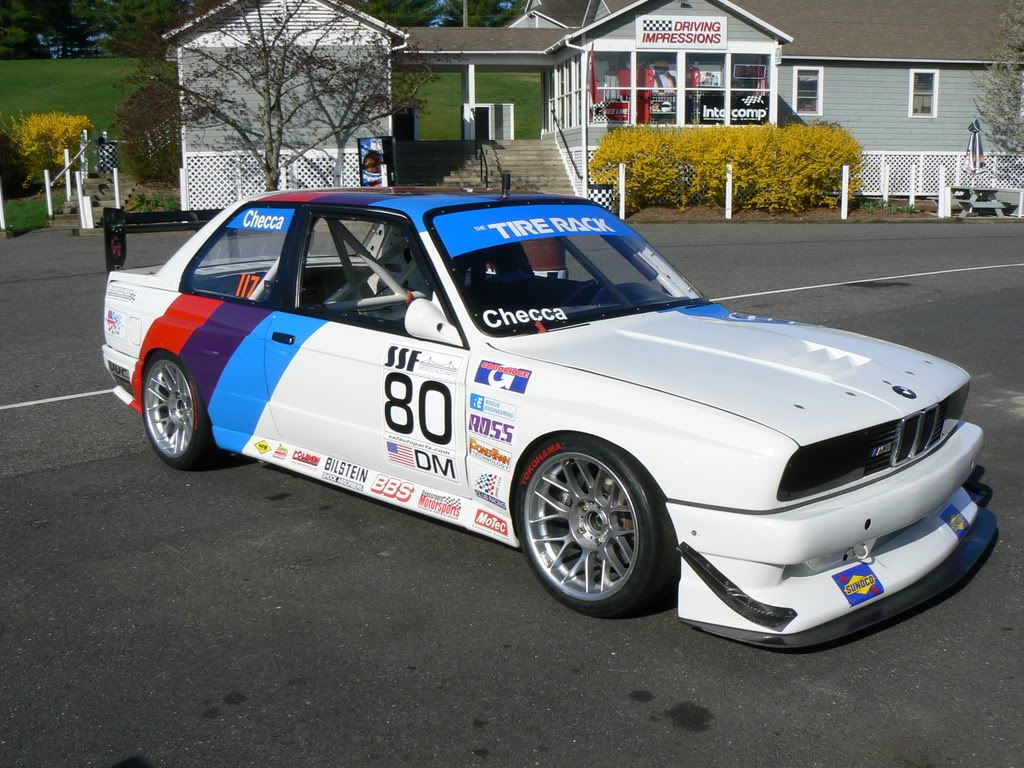
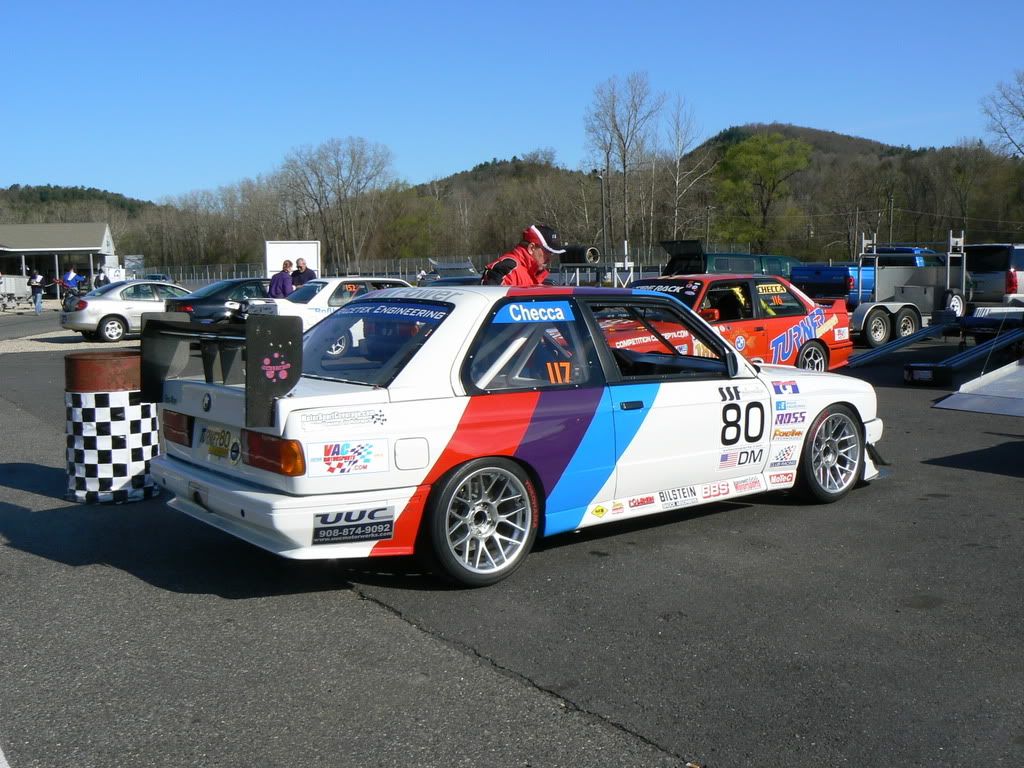
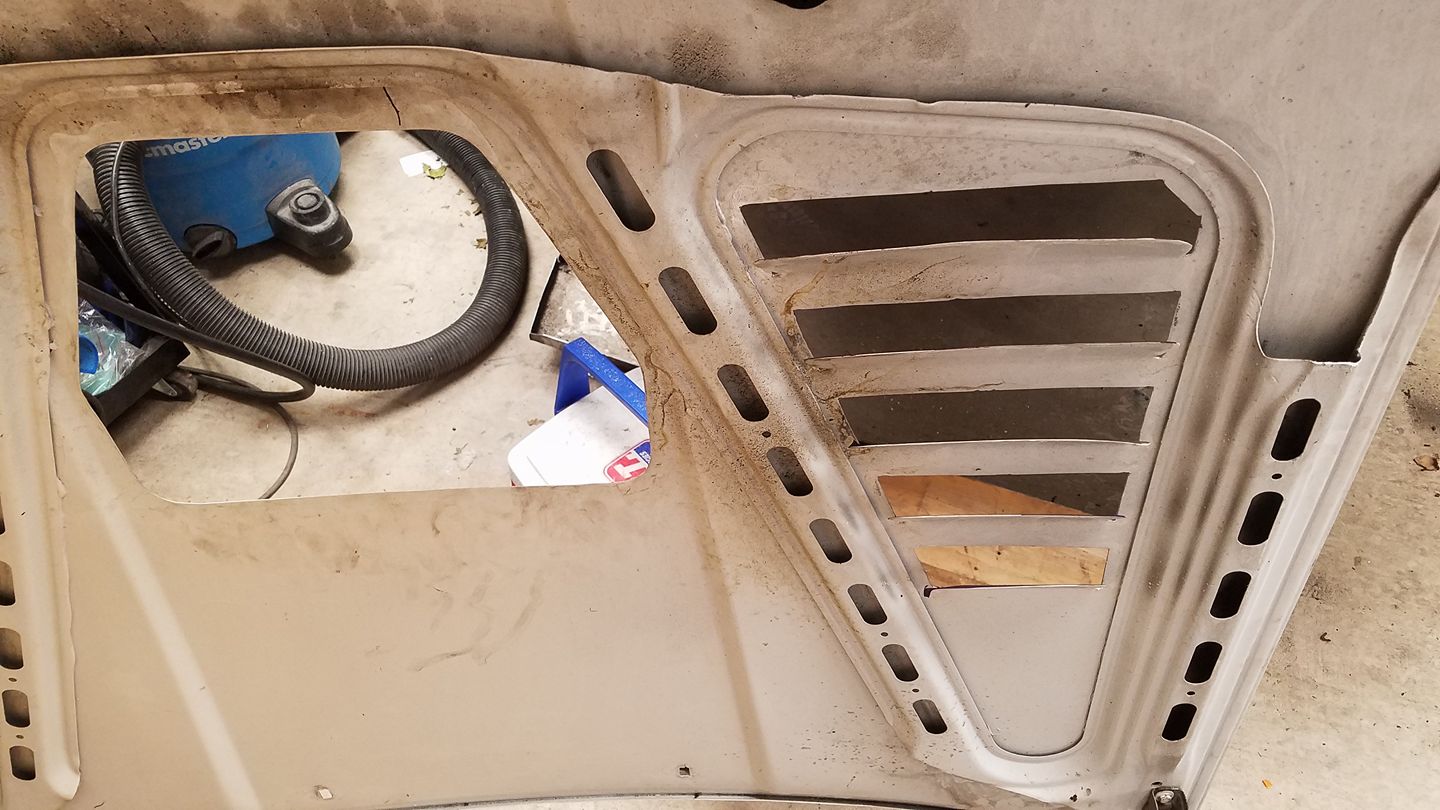
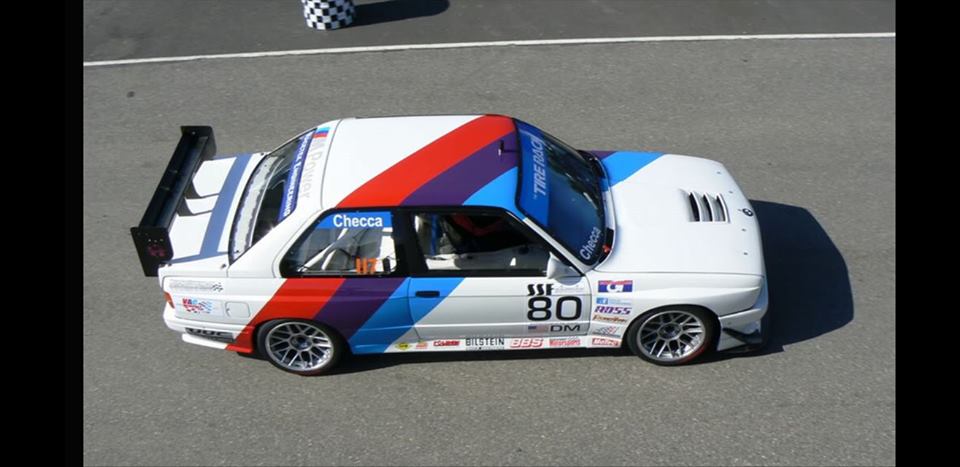
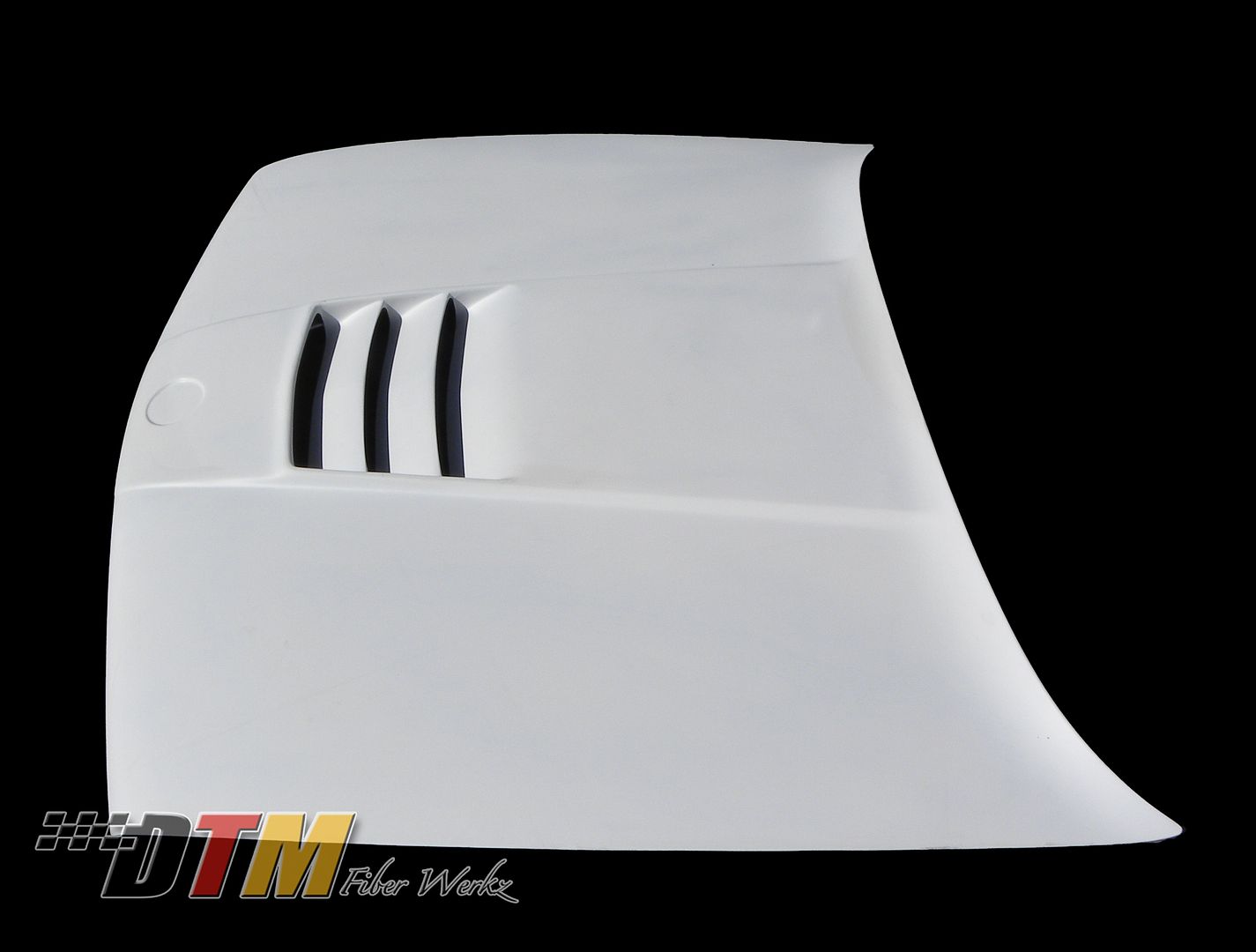
    Here are some more pictures of Ron Checca's car. The vents were made by a defunct company, Competition Concepts. It looks like DTM Fiberwerkz directly copied this hood with their "race center vent" version.


    If I can't find a suitable vent to cut into my hood, I will probably just sell my CF hood and buy the DTM Fiberwerkz version with the center vent. Should be able to do so without a big $$ loss.

    Leave a comment:


  • paynemw
    replied
    I actually went through this same problem when tracking my car, this is from my build thread bottom of page 4. I ended up buying a 2nd hood & trunk lid so I could do some cutting and make a track set:

    Originally posted by paynemw
    So, the other day i was poking around the internets looking for research about aerodynamics and such as it applies to the e30 chassis. After realizing that the SPECE30 guys don't mess with it because they can't, I figured only a few people really look into it. Chump and lemon guys, and any HPDE or TT folks.

    So, the first question I had was, where to do the choppin?! As a kid I never knew why the cowl induction hood worked so well, but this picture helps explain that. All of the pressure at the cowl plus probable low pressure under the hood sucked it right on in.

    but I know that's probably not the most efficient way of doing business given that we don't have a V8 and we our airbox is way up front.

    Another r3v member posted this picture that made me think about heat extraction AND encouraging air movement through the driver's side headlight area.


    So when I saw suggestions, I thought about that this was probably the smartest application of science, but I might adjust it to just the driver's side and center.

    Here's how he did it:

    And underside of the hood:

    And given this probably has a significant amount of money in it, I'll use this as confirmation that the center vents are proven:

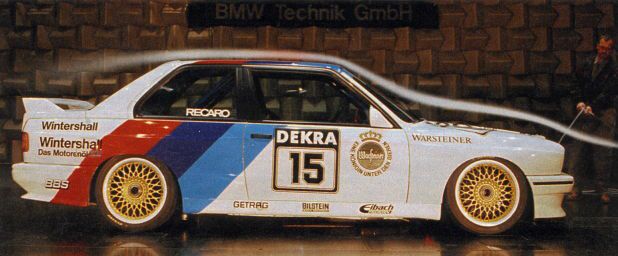
    And this is just science!

    Now, what say you?! I tell you what, but I'm stoked to start choppin' on my hood and build some aero for the trunk lid.

    Leave a comment:


  • Digitalwave
    replied
    Just found some more of trent's car. It's hard to find info on his car since he deleted his account.


    Leave a comment:


  • Digitalwave
    replied
    Here is Trent's.


    DTM Fiberwerkz "GTR" style hood:


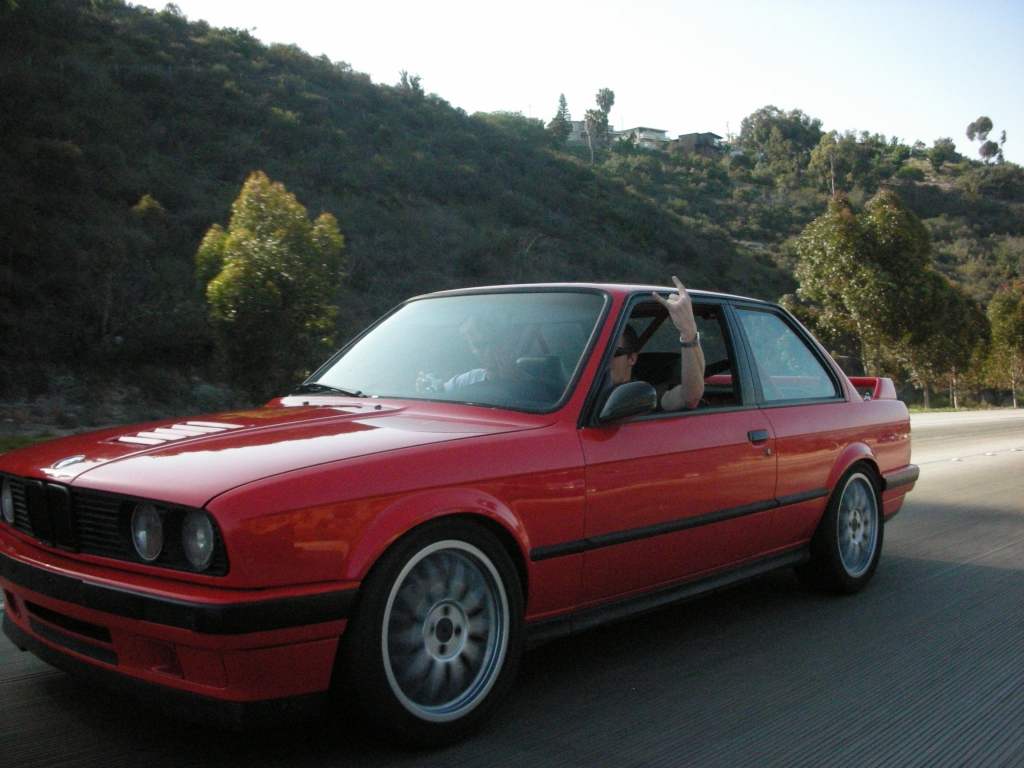
    Another one I saw on the forums:


    Since my hood needs a new clear coat/gel coat anyways, and my friend has a spare center vent from a 3piece set he bought for his E46 (and only used the sides), I am going to cut my hood and do this soon.

    Leave a comment:


  • jeenyus
    replied
    can we post some pictures of these vents?

    Leave a comment:


  • 2mAn
    replied
    The center vent is the way to go as the hot air that has passed through the radiator immediately can escape the engine bay.

    Leave a comment:


  • Digitalwave
    replied
    Originally posted by UNHCLL
    TJ -
    Food for thought on under hood temps.
    The E30 engine bay is by virtue of design, terrible at shedding heat.
    Even with a large pusher fan, if you have a good intact hood gasket, and complete under-car shielding, the air "struggles" to escape the engine bay.

    I've had multiple E30's that when using E3 hood gaskets, large radiators, full under-car cladding and a big pusher fan, cannot keep cool when not moving. The instant you pop the hood and allow air to escape the engine bay out the back, temps drop instantly.

    Next time you're out driving on the street, watch your temp gauge. While driving a constant speed, release your hood. You'll likely see a near instantaneous drop in temp.

    That is the benefit of the Gustav style hood vent that Trent used. It helps draw air out of the engine bay. I doubt you need to get more air into the engine bay/through the rad, you need to get more OUT of the engine bay.
    Chris, thanks for the feedback. That's good to know. I have indeed tried the hood pop and it makes a huge difference. I do run the stock plastic under tray and my hood seals "okay" (the cf hood bows in the middle). It is good to know that the Gustav style vent is effective.

    Just to be clear, you recommend a center vent, 6-12" behind the roundel? To me that seems like it would be the most effective for extracting air from the radiator. There is also the "GTR style" hood with the 2 vents on the side of the hood. That might be better for forced induction, but I don't see that working as well as a center vent for an NA car (especially since I have a headlight intake duct).

    Leave a comment:


  • UNHCLL
    replied
    TJ -
    Food for thought on under hood temps.
    The E30 engine bay is by virtue of design, terrible at shedding heat.
    Even with a large pusher fan, if you have a good intact hood gasket, and complete under-car shielding, the air "struggles" to escape the engine bay.

    I've had multiple E30's that when using E3 hood gaskets, large radiators, full under-car cladding and a big pusher fan, cannot keep cool when not moving. The instant you pop the hood and allow air to escape the engine bay out the back, temps drop instantly.

    Next time you're out driving on the street, watch your temp gauge. While driving a constant speed, release your hood. You'll likely see a near instantaneous drop in temp.

    That is the benefit of the Gustav style hood vent that Trent used. It helps draw air out of the engine bay. I doubt you need to get more air into the engine bay/through the rad, you need to get more OUT of the engine bay.

    Leave a comment:

Working...